
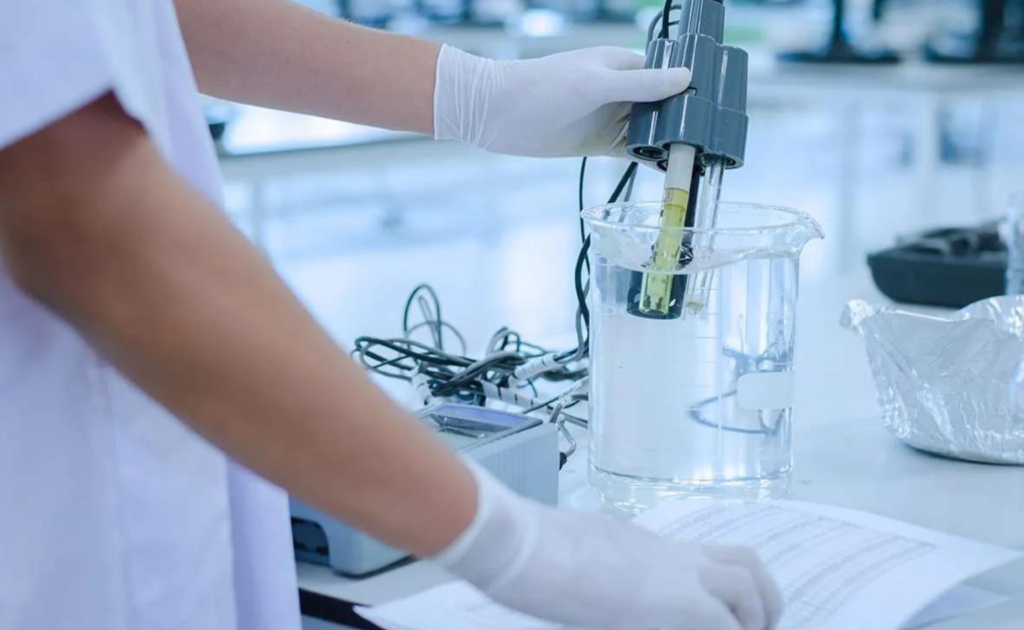
In our era of rapid digital information and convenience-focused services, it’s tempting to prioritize speed over depth. Whether it’s a quick digital check for your home’s energy efficiency or a DIY test kit for your well water, the goal often seems the same: get answers as fast as possible. However, when it comes to protecting your home’s water supply, a Bronx accredited water testing laboratory provides the certified expertise and comprehensive analysis that identifies contaminants DIY tests might miss, ensuring your family’s safety through scientifically rigorous results rather than quick fixes. The truth is, the fastest answer is rarely the right answer when your health is on the line.
This is why certified laboratories remain the backbone of the water quality industry. While technology has changed, the fundamental need for rigorous, standardized, and unbiased scientific analysis has only grown. For homeowners and families, choosing testing services that utilize certified labs is the only way to ensure the data you receive is accurate, defensible, and actionable.
The Gold Standard: Precision vs. Estimation
A certified laboratory operates under a set of strict, internationally recognized standards. When you submit a sample, it isn’t just checked for color or basic mineral levels; it undergoes sophisticated analysis using instrumentation like Inductively Coupled Plasma Mass Spectrometry (ICP-MS) or Gas Chromatography.
These tools can detect contaminants at the parts-per-billion level—concentrations so minute that a standard DIY kit would never register them. Why does this precision matter? Because many water quality issues are cumulative. A contaminant might be present in a concentration that doesn’t trigger an immediate health warning but, over years of consumption, can have significant implications for your health or your home’s water quality problems. A certified lab provides a baseline that is based on science, not estimation.
Quality Assurance and Chain of Custody
One of the most critical, yet often overlooked, aspects of a certified lab is the “Chain of Custody.” When a professional collects your sample, they document exactly who touched the sample, how it was stored, what temperature it was kept at, and when it reached the lab.
This is vital because water is a dynamic substance. It can change rapidly based on temperature, exposure to light, or the presence of air. If a sample is mishandled during transport or analyzed in an uncontrolled environment, the results can be skewed. Certified labs adhere to strict protocols for sample handling, ensuring that the water tested in the lab is, in every meaningful way, identical to the water coming out of your tap. This rigorous testing method is the difference between a guess and a guarantee.
Regulatory Alignment and Local Context
Water safety isn’t just about what is in the water; it is about what should be in the water based on national and local standards. Certified laboratories are constantly updated on the latest EPA regulations and health advisories. When you receive a report from a certified lab, it isn’t just a list of numbers; it is a document that compares your results against legal safety limits.
Furthermore, these labs understand the nuances of various locations. They know, for instance, that a specific mineral profile common in your town might interfere with certain types of testing, and they adjust their methodologies accordingly. This level of local context ensures that your data is not just accurate, but also relevant to the specific challenges of your region.
The Liability of “Good Enough” Data
For homeowners, the stakes are not just about curiosity. If you are selling your home, evaluating a potential real estate purchase, or trying to diagnose a recurring skin irritation or appliance failure, the data you use must be unimpeachable.
Using an uncertified test is a gamble. If the test indicates your water is safe when it actually contains hazardous levels of lead or nitrates, you have acted on misinformation. If it indicates there is a problem that doesn’t exist, you might spend thousands of dollars on unnecessary filtration systems. Certified laboratory results are documented, peer-reviewed, and widely accepted by health departments, real estate professionals, and insurance companies. It is the only way to ensure that your financial and health decisions are based on firm ground.
Note: TheNational Environmental Laboratory Accreditation Conference (NELAC)provides the standards that professional labs must meet to ensure the quality of their data. When choosing a testing service, verifying their connection to accredited labs is one of the smartest things a homeowner can do.
Making the Right Choice for Your Home
The journey to better water begins with clarity. If you are serious about understanding the chemistry behind your tap, you need a partner who values the laboratory process as much as you value your family’s health.
When you prioritize professional testing, you are doing more than just testing for contaminants; you are:
- Creating a permanent record of your water quality.
- Accessing expert interpretation of complex chemical data.
- Ensuring the validity of any investments you make in water treatment technology.
Don’t settle for the uncertainty of a home kit when your home’s most precious resource is at stake. When you are ready to move beyond the surface and get the definitive answers you deserve, contact us. We bridge the gap between complex laboratory science and the practical, everyday needs of your home.
How much weight do you place on third-party certifications and laboratory data when making decisions about your home’s health and maintenance?