
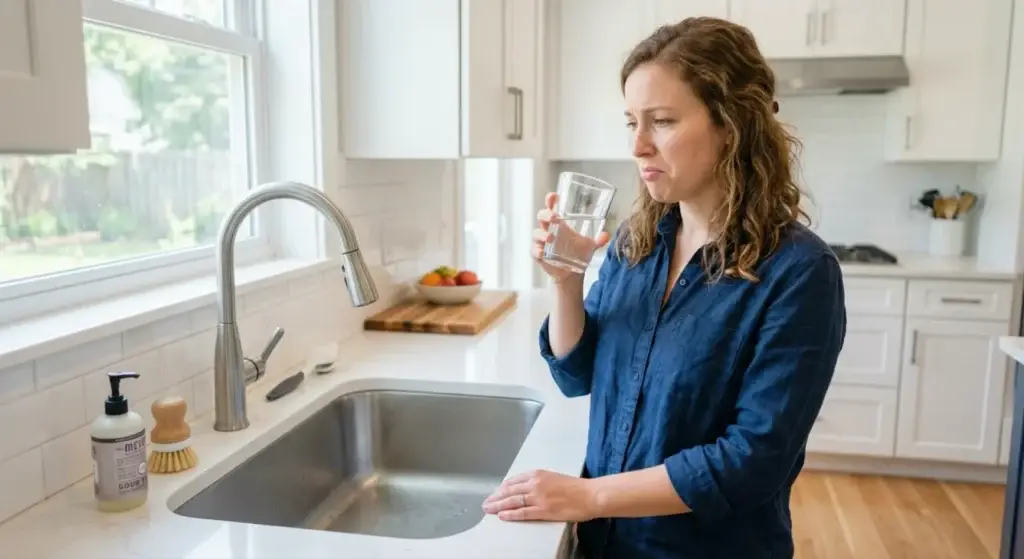
When you rent an apartment, you have a reasonable expectation that the water coming out of your kitchen tap is safe, clean, and consistent. However, the reality of multi-family housing plumbing is far more complex than the straightforward lines found in a single-family home. If you have ever noticed a strange taste or a persistent stain in your apartment sink, you have likely run into the unique challenges of shared infrastructure.
In an apartment building, your water quality isn’t just about what enters the building; it’s about the intricate, aging, and often vast network of pipes, tanks, and heaters that carry water through dozens of units before it ever reaches yours.
The “Shared System” Effect
In a single-family home, if you notice a water quality issue, the source is usually either the main supply or your own home’s piping. In an apartment complex, the variables multiply exponentially.
Apartment buildings often utilize centralized water systems. This means that a single water heater or filtration system might serve multiple floors and dozens of units. If that system begins to degrade, or if a segment of the building’s piping is older than the rest, the water quality can vary significantly from one floor to the next or even between units on the same hallway. When you experience water quality problems, it may not be a “you” problem; it may be a “building” problem that your neighbors are also experiencing without realizing it.
The Hidden Risks of Stagnation
Large buildings have long runs of pipe, and if certain units are vacant or if water usage is low in specific wings of the building, water can sit stagnant for days. Stagnation is the enemy of water quality. When water sits in a pipe, the residual disinfectant (like chlorine) breaks down, and the water begins to leach metals from the pipe walls—especially lead and copper.
This is why, after a vacation or even a long weekend, you might notice that the water from your tap tastes slightly metallic or “flat.” In large buildings, this effect is amplified. Proper testing methods in a multi-family environment often require a more nuanced approach than in a house, as the age and flow patterns of the plumbing are much harder to predict.
Why Communication Is Your Best Tool
If you suspect an issue, the first step is often to talk to your neighbors. Are they seeing blue-green stains in their tubs? Do they notice a “rotten egg” smell in the mornings? When multiple residents report the same water quality concerns, it elevates the issue from a “tenant complaint” to a maintenance priority.
Property managers and owners have a legal and ethical responsibility to provide habitable conditions, which includes safe drinking water. However, they can only act on information they have. If you document your concerns—photographing staining, noting the time of day the odor is strongest, and keeping a log of when you’ve reached out to management—you create a record that makes it easier for them to justify calling in professional testing services.
Understanding Your Rights
Renters often feel they have less control over their environment, but you still have a right to safety. Depending on your locations, there may be local ordinances or state laws that mandate how often a building owner must test their water, particularly for lead and copper.
If management is unresponsive, you have the right to seek your own answers. While you may not be able to perform a building-wide diagnostic, you can conduct independent testing in your unit to see if your specific taps are providing safe water. If those results come back with concerning levels of contaminants, you have objective, scientific evidence to present to your landlord or local health department.
A Proactive Approach for Renters
Living in an apartment shouldn’t mean sacrificing your peace of mind. Here is how to navigate water concerns as a renter:
- Observe and Document: Keep a log of any discoloration, odors, or odd tastes.
- Coordinate with Neighbors: A building-wide trend is much harder for management to ignore than a single report.
- Request Maintenance Records: Ask the property manager if they have recent water quality reports for the building.
- Consider Independent Testing: If you are worried about your health, don’t wait. Use a professional lab to get an accurate water purity assessment for your specific unit.
- Use Filtration if Needed: If you find the water quality is poor, a point-of-use filter (such as an under-sink or faucet-mounted system) can provide a layer of safety while you work with management to resolve the underlying building issues.
The Bottom Line
Apartment water systems are complex, interconnected webs that require consistent maintenance to remain safe. You deserve to know that the water you drink, cook with, and bathe in is clean. If you have questions about your water or want to learn how to properly test the supply in your unit, contact us. We can help you navigate the complexities of multi-family water quality and get the answers you need to stay healthy.
Have you ever had concerns about the water in an apartment, and how did you go about addressing them with your property manager?