
When you notice orange streaks in your toilet bowl or rust-colored stains around your bathroom faucet, it’s tempting to dismiss them as purely cosmetic. You might assume your water is safe and the discoloration is just an inconvenience. However, iron in your water rarely appears in isolation, and heavy metal water testing in Queens can identify not only iron but other contaminants that may be affecting your home’s plumbing and your family’s health. These visible signs are diagnostic clues that point to deeper issues within your home’s infrastructure, making professional water analysis an essential step toward understanding what’s really flowing through your pipes.
While iron is generally not considered a health risk, its presence is a clear indicator that the chemistry of your water is interacting with your home’s environment in ways you likely haven’t accounted for.
Beyond the Surface: What Iron Tells You
If iron is appearing at your tap, it is coming from somewhere. Identifying that source is the key to understanding the “bigger picture” of your water quality:
- The Sign of Corrosion: Iron in water often signals that your plumbing is actively corroding. If you have iron or steel pipes, the water may be acidic enough to strip metal from the pipe walls, turning your plumbing into the source of the contamination.
- A Gateway for Bacteria: Iron is a food source for “iron bacteria.” These organisms naturally occur in groundwater and thrive in the presence of dissolved iron. They produce a slimy, rust-colored biofilm that can coat the inside of your pipes, clog your faucet aerators, and create an offensive “rotten egg” or earthy odor.
- The “Masking” Effect: Because iron is so visually and sensorially prominent—with its metallic taste and rusty color—it often masks other issues. High-iron water can change the effectiveness of water softeners and filtration systems, potentially allowing other contaminants to pass through your water treatment setup unnoticed.
The Chemistry: Ferrous vs. Ferric
Understanding your iron findings requires looking at the form it takes. This distinction helps identify where the issue is originating:
- Ferrous Iron (Clear Water Iron): This form is dissolved in the water. It’s invisible when you first pour a glass, but as it sits and oxidizes (reacts with oxygen), it turns into those stubborn reddish-orange stains. This often points to groundwater naturally high in minerals.
- Ferric Iron (Red Water Iron): This iron has already oxidized before it leaves your tap. If your water comes out looking rusty, it’s a strong indicator that the oxidation is happening inside your pipes, likely due to corrosion or an existing iron bacteria colony.
Why “Aesthetic” Doesn’t Mean “Negligible”
The Environmental Protection Agency (EPA) classifies iron as a “secondary contaminant.” This means it is regulated based on its impact on taste, color, and odor, rather than direct toxicity. However, for a homeowner, “secondary” doesn’t mean you should ignore it.
Chronic exposure to high iron levels can lead to:
- Reduced Appliance Longevity: Iron deposits can clog the internal components of water heaters, dishwashers, and washing machines.
- Reduced Water Pressure: As biofilm and rust flakes accumulate, the internal diameter of your pipes narrows, leading to frustrating pressure drops.
- Increased Maintenance Costs: Constantly cleaning fixtures, replacing clogged showerheads, and repairing prematurely failing appliances adds up quickly.
Taking Action
If you are seeing the signs of iron, the worst approach is to rely on “quick fixes” like scrubbing or buying bottled water. You need to identify the root cause using accurate testing methods.
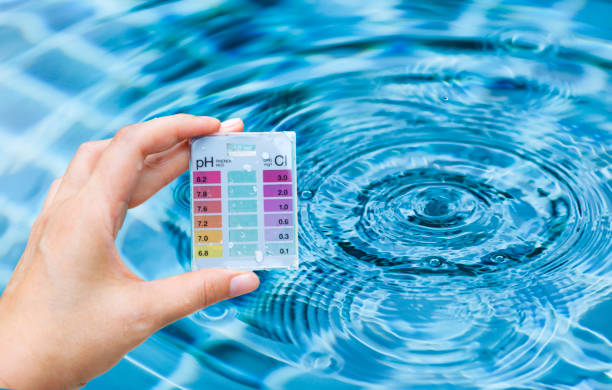
- Test for More Than Just Iron: A professional water quality evaluation should include pH, alkalinity, and hardness. If your pH is low, you don’t just need an iron filter—you need a pH neutralizer to stop the corrosion at the source.
- Inspect Your Well (If Applicable): If you use a private well, iron can be a sign that your well casing or pump is degrading, or that iron bacteria have taken hold in your water system.
- Consult a Professional: Because iron-heavy water can be complex to treat—especially if organic iron or tannins are present—a professional can help you choose the right filtration technology (like an oxidizing filter or a specialized softener) that matches your home’s specific location and water profile.
Don’t Let Iron Define Your Water
Iron isn’t just a stain; it’s a message from your plumbing system. By listening to that message and investigating the chemistry behind it, you can stop the cycle of staining and damage.
If you are tired of rust-colored sinks and metallic-tasting water, contact us. We can help you perform the precise testing needed to uncover what your iron levels are really revealing about your home.
Have you noticed persistent staining in your sinks or tubs, and have you ever wondered if it was a sign of a larger plumbing issue?