
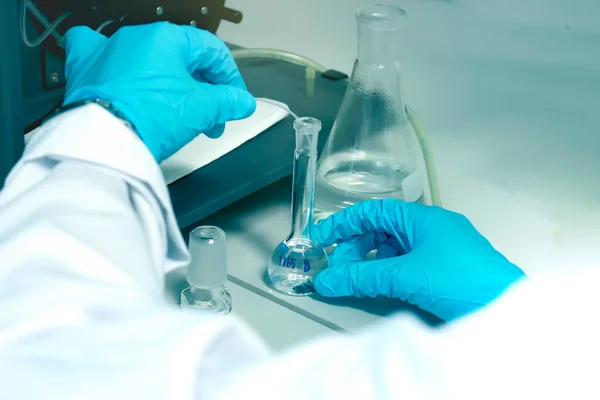
In a commercial kitchen, water is far more than an ingredient. It is a utility, a solvent, and a critical component of equipment longevity. Commercial water testing services in Manhattan identify contaminants and mineral content that affect everything from the high-pressure steam of a combi oven to the delicate extraction of an espresso machine, ensuring your water quality dictates the superior flavor of your menu and minimizes costly service calls.
Many restaurateurs make the mistake of treating water testing as a static, “one-time” event. However, for a commercial kitchen, testing that ignores the high-volume, real-world workflow is essentially useless. To truly protect your investment, you need a testing strategy that accounts for the demands of a high-performance culinary environment.
The “Flow Rate” Reality
Residential testing often focuses on stagnant water (the “first-draw” sample). While that is important for understanding pipe leaching, it tells a chef very little about how the water performs during the lunch rush.
Commercial equipment operates under specific pressure and temperature profiles. If your water has a high mineral content, it might be clear in a glass, but when it passes through the heating element of a commercial dishwasher or a steamer, that mineral content flashes into scale. This scale acts as an insulator, forcing your equipment to work harder, consume more energy, and ultimately fail years before its time. Professional testing services for commercial settings must account for these operational variables.
The Impact on Flavor Profiles
For bakeries, cafes, and fine dining establishments, water chemistry is a secret ingredient. The balance of magnesium, calcium, and alkalinity directly influences the extraction of coffee beans, the rise of bread dough, and the clarity of ice.
If your water quality problems include inconsistent mineral levels, your product will never be consistent. A recipe that works perfectly on Monday might produce a different result on Thursday if the municipal source fluctuates or your filtration system is exhausted. Regular, targeted testing ensures that your “base” ingredient remains stable, protecting your brand’s reputation for consistency.
Equipment Protection: The Hidden ROI
The most expensive line item in your kitchen maintenance budget is often the one you don’t see coming: the premature failure of a boiler or heat exchanger. Commercial kitchen equipment manufacturers are increasingly stringent about water quality requirements as a condition of their warranties.
If you aren’t using the right testing methods to monitor your water’s aggressive nature—specifically its potential for corrosion or scaling—you may be voiding your equipment warranties without knowing it. Understanding your water’s chemical profile isn’t just about safety; it’s about asset management.
Testing for the Specifics of Your Location
Water quality varies significantly between locations. A kitchen in an industrial district may face different challenges—such as fluctuating chlorine levels or seasonal sediment spikes—than one in a newer commercial development.
Commercial kitchens need a testing scope that is tailored to:
- Total Hardness: To prevent scale in steamers and dishwashers.
- Alkalinity and pH: To manage the corrosion of expensive stainless steel and copper plumbing.
- TDS (Total Dissolved Solids): To monitor the overall efficiency of your reverse osmosis or filtration systems.
- Chlorine/Chloramines: To ensure the flavor of your beverages and prevent the degradation of rubber seals and gaskets.
Integrating Testing into Your Preventive Maintenance
The best approach for a commercial kitchen is to treat water testing as a cornerstone of your preventive maintenance (PM) plan. Just as you service your HVAC or clean your grease traps, you should be checking your water quality at least twice a year—or immediately following any municipal water main work in your area.
By integrating this data into your business operations, you can transition from reactive maintenance to proactive management. You’ll know exactly when to change your filters based on water performance, rather than guessing based on a calendar.
The Professional Advantage
DIY strips are designed for the occasional home user; they do not provide the accuracy or the data logging required to manage a professional kitchen. When you work with professional testing services, you receive:
- Actionable Reports: Data that tells you how to tune your treatment system to your specific equipment needs.
- Compliance Support: Documentation that you are meeting the water quality standards set by your equipment manufacturers.
- Consistency: A repeatable, documented record of your water quality that helps you troubleshoot flavor or maintenance issues quickly.
Protect Your Culinary Investment
Your kitchen is your livelihood. Whether you are running a high-volume cafe or a boutique restaurant, your water is the foundation of your success. Stop guessing about what’s in your water and start managing it with the precision your business deserves.
If you are ready to ensure your water quality is as high-quality as your food, contact us. We can help you design a testing and filtration strategy that protects your equipment, your menu, and your bottom line.
How do you currently track the performance of your water filtration systems in relation to your kitchen’s daily operational demands?