
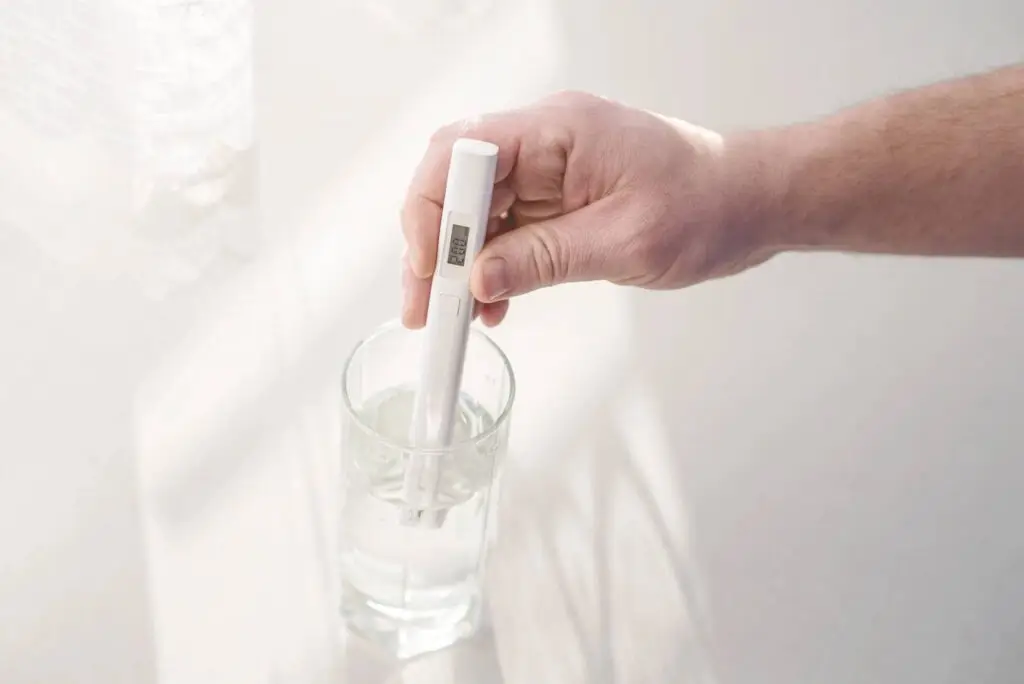
Buying a home is often the largest financial investment of a lifetime. While most buyers wouldn’t dream of skipping a general structural inspection, the quality of the water running through your home’s pipes is frequently overlooked, which is why certified home water testing in Queens provides a comprehensive analysis of your water’s safety and quality, identifying contaminants and potential health risks that could affect your wellbeing, appliance longevity, and daily comfort. Water is the lifeblood of your new property, and ensuring it meets health and safety standards protects one of your most important investments.
As you walk through open houses and review disclosures, it is time to move water quality to the top of your due diligence checklist. Here is the guide to the questions you should be asking—and the testing you should consider—before you sign the contract.
1. Where Does the Water Come From?
The first question is fundamental: Is the home on a municipal water system, or does it rely on a private well?
- If Municipal: You are covered by the Safe Drinking Water Act, which means the utility is responsible for testing at the source. However, once that water reaches your street, the responsibility for the pipes leading to your tap falls on the homeowner.
- If a Private Well: You are the utility. You are 100% responsible for the safety of your water. A private well requires a much more comprehensive water quality testing approach, as no one else is monitoring it for you.
2. How Old Is the Plumbing?
The age of the home tells you a great deal about the risk profile of your water. Homes built before the mid-1980s may contain lead solder in the joints or even lead service lines connecting the house to the street. Even if the home was recently renovated, it is important to know if the “guts”—the hidden pipes behind the walls—were actually replaced or just hidden behind new fixtures.
Understanding the infrastructure is crucial. If you know the pipes are aging, you should specifically look for testing that identifies potential heavy metal leaching.
3. Are There Visible Signs of Past Issues?
During your walkthrough, play detective. Don’t just look at the staging; look at the mechanics:
- Check the Sinks: Are there blue-green stains on the porcelain? This often indicates acidic water corroding copper pipes.
- Check the Appliances: Are there white, chalky deposits on the faucet aerators or in the dishwasher? This suggests high water hardness, which can drastically shorten the lifespan of water-using appliances.
- Ask About the Water Heater: A unit that has been replaced frequently might indicate that aggressive water is eating through the tank’s internal components.
4. Can I See Previous Test Results?
Always ask the seller for any existing water quality documentation. If the home has a well, the seller may have recent records. If they don’t, it is a sign that you need to schedule your own testing services as part of your inspection contingency. Do not take “the water tastes fine” as a substitute for scientific data.
5. What Testing Methods Are Being Used?
If you decide to order your own test, ensure it isn’t a generic “strip test” bought from a hardware store. You need a professional analysis that adheres to strict testing methods. This is especially true for lead and copper, where the “first-draw” sample technique is essential to capture the water that has been sitting in your pipes overnight—the water most likely to contain contaminants.
The Buyer’s “Must-Test” List
If you are moving forward with a purchase, aim for these categories in your water quality assessment:
- Safety Panel: Bacteria (Total Coliform and E. coli), nitrates, and nitrites (especially for wells).
- Corrosion/Metals: Lead, copper, iron, and manganese.
- General Chemistry: pH, hardness, and TDS (Total Dissolved Solids).
Why This Matters for Your Bottom Line
Discovering an issue before you buy is a negotiation tool. If a test reveals that you need a $5,000 whole-house filtration system or that your plumbing is significantly degraded, you can negotiate that cost into the final sale price or have the seller address the issue. If you discover it three months after you move in, that cost comes directly out of your own pocket.
Take the Initiative
The real estate process moves fast, but don’t let the pressure to close overshadow your family’s health and your financial peace of mind. Water quality is one of the most manageable risks in the home-buying process, provided you have the right data.
If you are currently under contract or considering a purchase in one of our service locations, contact us. We can help you navigate the due diligence process and provide the accurate, professional testing you need to make your purchase with confidence.
As you consider your next home, what is the one “invisible” aspect of the house that you find most concerning, and have you ever had it inspected?