
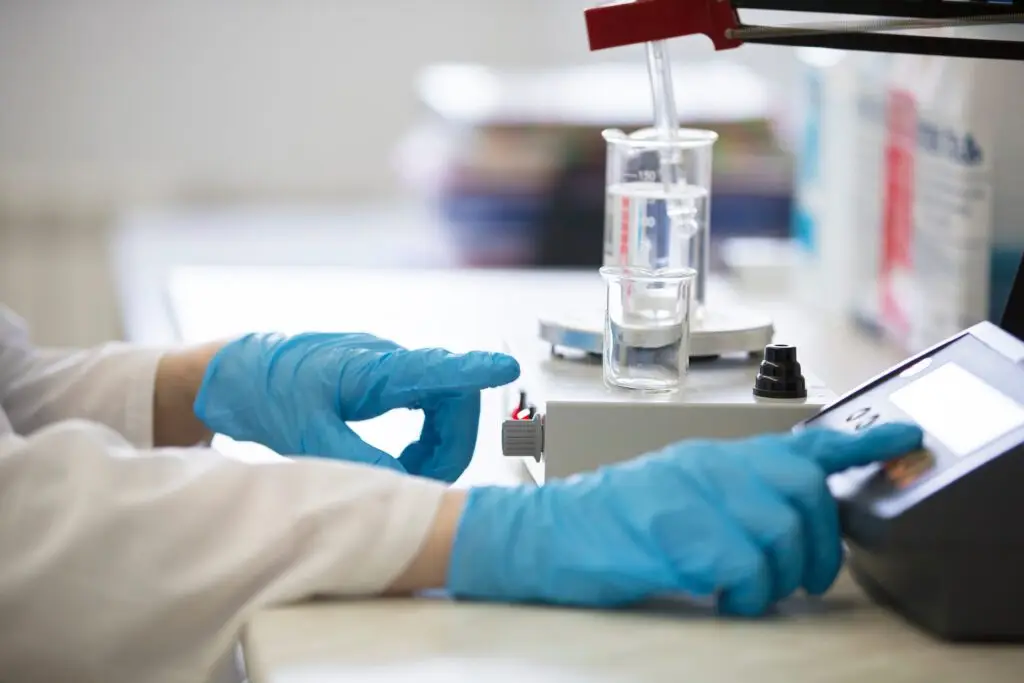
PFAS testing has become a mainstream part of water quality analysis because more people now understand that drinking water concerns are not limited to taste, odor, hardness, lead, or bacteria. Homeowners, families, landlords, buyers, and building owners are asking broader questions about what may be present in the water they use every day. PFAS is now one of those questions.
For many people, PFAS first became familiar through news reports, environmental studies, public water discussions, or local community concerns. Once people hear the phrase “forever chemicals,” they naturally begin wondering whether PFAS could be present in their own drinking water. The concern is understandable, but it cannot be answered by headlines, rumors, appearance, taste, or smell. PFAS requires proper laboratory analysis.
Professional testing through Water Quality Testing can help determine whether PFAS belongs in a broader testing scope beside lead, copper, bacteria, arsenic, potability indicators, corrosion findings, and other common water quality concerns.
What PFAS Means in Water Quality Testing
PFAS stands for per- and polyfluoroalkyl substances. These are a large group of manufactured chemicals that have been used in different industrial and consumer products over time. Some PFAS are known for resisting water, oil, grease, heat, and stains. Because certain PFAS can persist in the environment, they have become a serious topic in drinking water conversations.
For homeowners, the technical chemistry is usually not the first concern. The practical question is simpler: should PFAS be tested in the water coming from this property’s tap? The answer depends on the water source, local concerns, property location, testing goals, and whether the homeowner or building owner wants a broader water quality picture.
The U.S. Environmental Protection Agency provides public information about PFAS in drinking water, including drinking water standards and background on why PFAS is being addressed in water systems. This is one reason PFAS has moved from a specialty topic into everyday water quality discussions.
Why PFAS Became a Mainstream Concern
PFAS became mainstream because water users are asking more informed questions. In the past, many homeowners focused mainly on visible or familiar concerns such as brown water, chlorine smell, metallic taste, scale, lead, or bacteria. Those concerns still matter, but PFAS has added another layer to the conversation.
People now understand that not every water quality concern creates a visible warning sign. PFAS cannot be seen in a glass of water. It usually does not create a specific taste or smell. A faucet can produce clear water and still require PFAS testing if the concern is relevant. This has changed how many families think about water testing.
PFAS has also become more common in real estate, property management, private well discussions, and household decision-making. Buyers may ask whether water has been tested beyond a basic potability screen. Parents may ask whether PFAS should be considered beside lead and bacteria. Commercial property owners may ask whether PFAS belongs in a broader due diligence panel.
The Testing Services page can help property owners understand how PFAS may fit into a larger testing plan instead of being treated as an isolated question.
PFAS Should Be Considered Beside Other Contaminants
PFAS testing is important, but it should not replace other common water quality testing. A property may need PFAS analysis and still need lead, copper, bacteria, arsenic, iron, manganese, nitrate, or corrosion indicators depending on the situation.
For example, an older home may need lead and copper testing because plumbing materials can affect tap water. A private well may need bacteria, nitrate, arsenic, pH, and other groundwater-related tests. A home with brown water may need iron, turbidity, manganese, and corrosion-related indicators. A building with underused fixtures may need bacteria testing. PFAS may belong in the panel, but it is only one part of the full water quality story.
This is why testing scope matters. A strong scope asks what the property actually needs. Is the water from a public system or private well? Is there local PFAS concern? Are there children in the home? Is the property older? Are there visible water problems? Has there been recent plumbing work? Is the goal general peace of mind, property documentation, or a specific concern?
The Water Quality Problems page can help connect symptoms such as discoloration, staining, odor, and metallic taste with testing categories that may belong beside PFAS.
Certified Analysis Matters for PFAS
PFAS testing is not the same as a basic home screen. These chemicals are usually measured at very low concentrations, which means the laboratory method, detection limits, sample containers, and handling procedures matter. A simple strip or general water test kit is not enough when someone wants credible PFAS information.
Certified analysis can identify which PFAS compounds were included in the test and whether they were detected in the sample. It can also provide a formal report with units, reporting limits, and sample information. This is much stronger than a general claim that water is “fine” or “not fine.”
Sample handling is also important. PFAS testing may require specific containers and careful collection steps to reduce the risk of contamination or unreliable results. This is one reason professional water testing is valuable. It helps ensure the sample is collected and submitted in a way that matches the laboratory method.
The Testing Methods page can help explain why proper collection and laboratory procedures are important when testing for specialized contaminants such as PFAS.
Headlines Cannot Tell You What Is in One Faucet
PFAS headlines can be useful for awareness, but they cannot answer what is happening at one specific property. A news story may discuss contamination in a region, a water system, a product category, or a groundwater area. That information may be important, but it does not automatically show whether PFAS is present in one home’s kitchen tap or one commercial building’s break room.
This is where certified testing becomes useful. It turns a general concern into property-specific data. Instead of relying on rumor, social media posts, or neighborhood assumptions, homeowners and building owners can test the water they actually use.
The same principle applies to other contaminants. A public discussion about lead does not prove lead is present in every home. A bacteria concern in one well does not prove every nearby property has the same issue. Testing helps separate broad awareness from actual sample results.
PFAS and Public Water Systems
Public water systems are monitored under regulatory programs, and many utilities provide annual water quality reports. These reports can be helpful for understanding system-wide conditions. However, some homeowners still choose tap-level testing when they want property-specific information or when PFAS is a priority concern.
A public water report may not answer every household question. It may not reflect water after it passes through a service line, building plumbing, filters, or fixtures. For PFAS specifically, homeowners may want to know whether the water at their tap was tested with an appropriate method and whether selected PFAS compounds were detected.
That does not mean public reports should be ignored. They are valuable sources of information. But when a family or building owner wants direct answers about their own sampled water, professional testing provides a more specific record.
The FAQ page can help homeowners understand common questions about testing, sample locations, and what a water quality report can show.
PFAS and Private Wells
Private wells are an important part of the PFAS conversation. Unlike public water systems, private wells are usually the owner’s responsibility to test. PFAS may be relevant if the property is near known environmental concerns, industrial areas, airports, firefighting training sites, landfills, manufacturing areas, or other possible sources. Local history matters.
However, private well owners should not focus only on PFAS. A well testing program may also need bacteria, nitrate, arsenic, pH, hardness, iron, manganese, and other local indicators. PFAS can be part of a broader panel, but potability and groundwater-related concerns should still be considered.
The Centers for Disease Control and Prevention recommends regular private well testing and using a certified laboratory. Its guidance on testing well water is useful for understanding why well owners often need a more active testing approach.
A professional testing company can help determine whether PFAS belongs in the well testing scope based on location, water use, and the owner’s concerns.
PFAS and Property Decisions
PFAS testing has also become more common because water quality can affect property decisions. Home buyers may ask whether drinking water has been tested beyond a basic screen. Sellers may want documentation. Landlords may respond to tenant concerns. Commercial owners may include PFAS as part of broader due diligence. Families may want a baseline before deciding whether to install filtration.
Certified PFAS analysis creates a stronger record than assumptions. A report can show where the sample was collected, when it was collected, what compounds were tested, and what was found. That documentation can be useful for discussions with family members, tenants, consultants, contractors, or property professionals.
Testing may also help prevent unnecessary spending. Without data, property owners may buy filtration systems based on fear or marketing. With results, they can make more targeted decisions.
PFAS and Filtration Questions
Many people ask about filters after learning about PFAS. This is understandable, but filters should be chosen based on test results and certification claims. Not every filter is designed to reduce PFAS. A filter that improves taste or removes chlorine may not address PFAS. A product designed for PFAS may not address lead, bacteria, arsenic, or other concerns.
Testing first helps identify what needs to be addressed. If PFAS is not detected in the sample, the filtration discussion may be different. If PFAS is detected, the property owner can evaluate products designed for PFAS reduction. If other contaminants are also present, treatment decisions may need to address more than one concern.
NSF provides a searchable database for certified products and systems, which can help homeowners and building owners review products based on specific contaminant reduction claims. Certified water quality testing makes that search more useful because the property owner knows what the treatment goal is.
PFAS Testing Works Best With a Strong Scope
PFAS testing should be part of a thoughtful scope, not a random add-on. The testing plan should consider the water source, property location, local environmental history, household concerns, and other contaminants that may also matter. It should also define the sample location clearly.
For a family, the main drinking-water tap may be the best starting point. For a commercial property, the break room or main drinking-water location may matter. For a private well, the sample should represent water used for drinking and follow laboratory instructions. If filters are installed, the owner may need to decide whether to test filtered water, unfiltered water, or both.
A strong scope makes the final PFAS result more meaningful. It helps answer the real question: does PFAS appear in the water being used at this property, and how should that information be understood beside other water quality findings?
Final Thoughts
PFAS testing has become part of mainstream water quality analysis because homeowners, families, and building owners now want broader answers about the water they use every day. PFAS is no longer limited to specialty discussions. It now belongs in serious conversations beside lead, bacteria, potability indicators, common metals, and corrosion-related findings.
Certified analysis is the right way to answer PFAS questions because headlines, rumors, taste, smell, and appearance cannot show whether PFAS is present in one specific sample. A stronger testing scope can determine whether PFAS belongs in the panel and how it should be interpreted with other water quality concerns.
Homeowners and property owners who want clearer answers can begin with Water Quality Testing or reach out through the Contact Us page to discuss whether PFAS should be included in their water quality testing scope.