
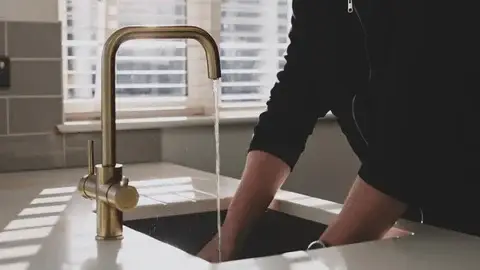
When someone decides to test their water, the first instinct is often to choose the nearest or easiest faucet. In many homes, that means the kitchen sink. In offices, it may be a break room tap. In rental properties, it may be the faucet where a tenant first noticed a problem. Testing that location may be useful, but one faucet rarely tells the whole water quality story.
Water quality can change from one fixture to another inside the same property. Different taps may connect to different branch lines, plumbing materials, filters, water heaters, or fixture components. Some faucets are used many times a day, while others may sit unused for long periods. These differences can affect results for lead, copper, iron, bacteria, odor, discoloration, and other water quality concerns.
That is why sample planning matters. A stronger testing plan considers the actual concern, the way water is used, the property layout, and the plumbing history before choosing sample locations. Professional support from Water Quality Testing can help homeowners, families, landlords, tenants, and property managers collect samples that answer the real question instead of relying on guesswork.
One Sample Answers One Location
A water test result is specific to the sample collected. It reflects the water from that faucet, at that time, under those collection conditions. That can be valuable information, but it does not automatically represent every tap in the home or building.
For example, a kitchen faucet may produce normal results while a rarely used bathroom faucet shows a different pattern. A basement utility sink may have water that sat in the line longer than the main kitchen tap. A filtered refrigerator dispenser may show different results from unfiltered tap water. A hot-water sample may reveal conditions that cold water does not.
This does not mean one sample is useless. It means homeowners should understand what the sample can and cannot show. A single kitchen sample may be the right starting point for drinking and cooking water, but it may not answer questions about every fixture, branch line, or plumbing condition in the property.
The Testing Services page can help explain why different testing needs may require different sample locations and contaminant panels.
Different Fixtures Can Have Different Materials
Fixtures themselves can affect water quality. Faucets, aerators, cartridges, supply lines, valves, and fittings may contain different materials. In older homes, one faucet may be newer while another is decades old. A remodeled kitchen may have modern fixtures, while a bathroom or laundry area may still have older components.
This matters especially for metals such as lead and copper. Lead may be associated with older solder, brass components, service lines, or fixtures. Copper may come from copper pipes or fittings when water chemistry encourages corrosion. If one fixture contains older materials, it may produce different results from a newer fixture elsewhere in the home.
The U.S. Environmental Protection Agency explains that lead can enter drinking water through corrosion of plumbing materials, including pipes, faucets, and fixtures. Its information on lead in drinking water helps show why fixture-level testing can matter.
A professional testing scope may compare fixtures when the concern suggests it. If lead appears at one tap and not another, the issue may be more localized. If several taps show similar findings, the concern may be broader.
Branch Lines Can Create Different Results
A building’s plumbing is usually divided into branches. One branch may serve the kitchen. Another may serve bathrooms. Another may supply a laundry room, basement, tenant space, or outdoor fixture. In larger buildings, branch lines may serve different floors, wings, or units.
Each branch can have different conditions. One branch may be used constantly, while another sees very little water movement. One may contain older materials. Another may have been replaced during renovation. One may be short and direct, while another may be long and allow more stagnation.
These differences can influence water quality. A single faucet may not show what is happening in other parts of the system. This is especially important in older homes, multifamily buildings, schools, commercial properties, and buildings with additions or partial plumbing updates.
The Water Quality Problems page can help property owners connect symptoms such as discoloration, staining, odor, or metallic taste with the need for better fixture and branch-line awareness.
Stagnation Time Can Change Water Quality
Stagnation means water sits in the pipes without moving. This can happen overnight, during school or work hours, in vacant units, guest bathrooms, seasonal homes, or underused commercial spaces. Water that has been sitting in plumbing may test differently from water collected after a faucet has been running.
Stagnation matters for several reasons. Lead and copper levels may be affected by how long water has been in contact with plumbing materials. Bacteria indicators may be more relevant in low-use areas. Odor and taste may change when water has been sitting in pipes or fixtures. Sediment may collect and appear when a tap is first used.
A first-draw sample and a flushed sample can answer different questions. A first-draw sample may show what water picked up after sitting in the plumbing. A flushed sample may show water after the line has been cleared. Neither is automatically better; the right choice depends on the concern.
This is one reason the nearest sink may not be the best sink to test. The best sample location is the one that answers the actual water quality question.
Hot Water and Cold Water Are Different
Many people do not think about whether their sample is hot or cold, but the difference matters. Cold water is usually the main focus for drinking-water testing because people normally drink and cook with cold tap water. Hot water can interact with water heaters, storage tanks, and hot-water plumbing in different ways.
If brown water appears only from hot water, the water heater may be part of the concern. If odor appears only when hot water is used, the issue may also be connected to the heater or hot-water line. If metallic taste appears in cold drinking water, a different sample plan may be needed.
Testing should be intentional. A cold kitchen sample may be appropriate for drinking-water concerns. A hot-water sample may be useful for odor, discoloration, or water heater-related concerns. A report is more useful when the sample type is clearly planned and recorded.
The Testing Methods page can help explain why sample collection details matter in professional water quality analysis.
Filters and Treatment Devices Can Change Results
Some faucets do not deliver raw tap water. A refrigerator dispenser may have a filter. An under-sink system may treat the water before it reaches the glass. A faucet-mounted filter may change taste or reduce certain contaminants. A whole-house system may affect water throughout the property.
This can make sample planning more complicated. If the question is, “What is my family drinking from the refrigerator dispenser?” then testing filtered water may be useful. If the question is, “What is in the water before filtration?” then an unfiltered tap may be needed. If a homeowner wants to know whether a filter is performing properly, both filtered and unfiltered samples may be helpful.
Without planning, results can be misleading. A filtered sample may look better than unfiltered water, but it may not explain the source condition. An unfiltered sample may reveal a concern that the family is not actually drinking if all drinking water is filtered. Both types of information can be useful, but they answer different questions.
NSF provides a searchable database for certified products and systems, which can help homeowners review whether filters and treatment products are certified for specific reduction claims. Testing helps make those product decisions more meaningful.
Bacteria Testing Needs the Right Location
Bacteria testing is another area where one faucet may not tell the whole story. Total coliform, E. coli, and other microbial indicators can vary depending on the water source, fixture use, plumbing conditions, and sample handling.
A frequently used kitchen tap may not show the same result as an underused bathroom or basement sink. A vacant unit may have different conditions from an occupied unit. A private well sample may need to come from a representative drinking-water location and be collected in a sterile container. If the wrong location is chosen, the result may not answer the real question.
The Centers for Disease Control and Prevention recommends routine testing for private wells and using a certified laboratory. Its guidance on testing well water is useful for understanding why proper collection and sample location matter.
For bacteria concerns, sample handling is also critical. The bottle, timing, and collection steps can affect reliability. Professional testing helps reduce avoidable errors.
Larger Buildings Need More Careful Sample Planning
In larger homes, apartment buildings, offices, schools, commercial spaces, and mixed-use properties, one faucet is even less likely to represent the entire water system. Larger buildings may have multiple risers, floors, branches, water heaters, storage areas, filters, and low-use zones.
A lobby restroom may not represent an upper-floor break room. A tenant suite may not represent a basement utility sink. A school kitchen may not represent classroom sinks. A commercial property may have one heavily used break room and several rarely used fixtures.
Better sample planning helps identify representative locations. The plan may include the main drinking-water tap, complaint location, hot and cold water comparison, low-use fixture, or different building zones. This gives the final analysis much more meaning and reduces guesswork.
The American Water Works Association provides public resources on water quality, including information that helps explain why water can be affected by distribution and building conditions before reaching the final tap.
One Faucet Can Lead to Wrong Conclusions
Testing only one faucet can create two kinds of mistakes. The first is false reassurance. A homeowner may test one location, receive normal results, and assume every tap is the same. If the real issue exists in another bathroom, branch line, or underused fixture, that concern may be missed.
The second mistake is overgeneralization. A homeowner may test one problematic faucet and assume the entire property has the same issue. If the problem is actually limited to one fixture, the response may become larger and more expensive than necessary.
Better sample planning helps avoid both mistakes. By choosing sample locations based on the concern, homeowners can better understand whether a finding appears local, widespread, related to hot water, connected to stagnation, or tied to a specific fixture.
How to Choose Better Sample Locations
Choosing better sample locations starts with the reason for testing. If the concern is drinking water, the main drinking and cooking tap should usually be considered. If children use a bathroom faucet for brushing teeth, that location may matter too. If discoloration appears only from hot water, hot-water sampling may be needed. If a tenant complains about one fixture, that location should usually be included.
The property’s plumbing history also matters. Older fixtures, recently renovated areas, underused sinks, water heater lines, and known complaint locations may all deserve attention. In private well homes, the sample location should reflect the water people actually drink and should follow laboratory instructions.
The goal is not always to test every faucet. The goal is to choose the right locations for the question being asked.
Homeowners can review the FAQ page for common questions about water testing and what a professional testing process may involve.
Better Sampling Creates Better Interpretation
A water quality report becomes more useful when the sample plan is clear. If results show lead at one faucet and not another, the comparison can help identify whether the concern may be fixture-specific. If hot water shows discoloration but cold water does not, the water heater or hot-water plumbing may be involved. If bacteria appears in an underused tap but not a main drinking-water location, stagnation may be part of the interpretation.
Without sample planning, the report may be technically accurate but difficult to use. The homeowner may have numbers without a clear explanation. A property manager may have data without knowing whether the concern is local or building-wide.
Better sampling gives the analysis context. It turns laboratory results into practical information.
Final Thoughts
One faucet rarely tells the whole water quality story because different fixtures can connect to different branch lines, materials, filters, water heaters, and stagnation conditions. A single sample may be useful, but it should not automatically be treated as a complete picture of the entire home or building.
Better sample planning gives certified analysis more meaning. It helps determine whether a concern is tied to one fixture, one branch line, hot water, cold water, a filter, an underused area, or a broader plumbing condition. That clarity can prevent confusion, unnecessary spending, and missed concerns.
Homeowners, families, tenants, landlords, and property managers who want more useful results can begin with Water Quality Testing or reach out through the Contact Us page to discuss a sample plan designed around the property and the actual water quality concern.