
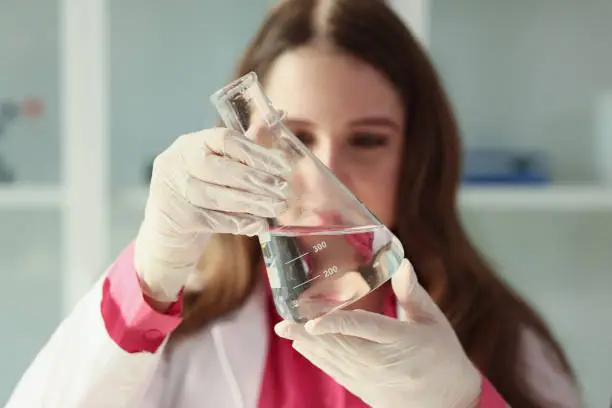
A quick water screen can feel useful at first. It may provide a few numbers, a color change, or a simple result that seems to answer the question. For basic curiosity, that may be enough. But when the concern involves lead, bacteria, PFAS, metals, potability, corrosion, older plumbing, private wells, or repeated water-quality problems, a basic screen often misses the deeper story.
Certified water quality analysis is different because it is designed to provide stronger, more reliable information. It can use more appropriate laboratory methods, better sample controls, clearer reporting, and a broader interpretive framework. Instead of simply generating numbers, certified analysis helps homeowners, tenants, landlords, buyers, and property managers understand what may be happening inside the property.
For people who want more than a limited result, Water Quality Testing provides a practical starting point for understanding how professional testing can turn a general concern into certified data that supports better decisions.
Basic Screens Often Answer Only a Small Question
A basic screen usually answers a narrow question. It may show a general pH range, hardness level, chlorine level, or rough indication of a few substances. Some kits use strips that change color. Others include small vials or basic digital meters. These tools can sometimes help with simple curiosity, but they are not always reliable enough for serious water-quality decisions.
The main problem is that basic screens often lack context. A homeowner may see a number but not understand whether it matters, whether the test was sensitive enough, whether the sample was collected correctly, or whether other related indicators should also be reviewed. For example, a lead result is more useful when considered beside copper and corrosion indicators. A bacteria concern requires proper sample collection and laboratory timing. A PFAS concern usually requires specialized testing that basic screens cannot provide.
Water quality is rarely explained by one quick reading. It depends on the water source, plumbing materials, fixtures, stagnation time, water heater conditions, filters, and sample location. Certified analysis helps bring those details into the testing process.
The Testing Services page can help explain how professional testing can be organized around specific concerns rather than relying on a one-size-fits-all screen.
Certified Analysis Uses Stronger Laboratory Methods
Certified water quality analysis uses laboratory methods designed for specific contaminants and indicators. This matters because not every contaminant can be measured properly with a simple strip or basic home kit. Some substances require sensitive instruments, controlled procedures, quality checks, and reporting limits that make the result more meaningful.
Lead, copper, arsenic, PFAS, bacteria, nitrates, and other contaminants may require different analytical methods. A laboratory can measure these substances with more precision and provide results in units that can be compared with relevant standards or guidance. A basic kit may only give a broad range, a color reading, or a pass-fail type result that does not explain enough.
The U.S. Environmental Protection Agency explains that drinking water contaminants can come from many sources, including natural deposits, human activity, distribution systems, and household plumbing. Its overview of types of drinking water contaminants helps show why water testing often requires more than one simple method.
Certified analysis is especially valuable when homeowners need a report they can keep, compare, or share. A formal laboratory report is much more useful than a rough reading from a strip.
Sample Handling Makes a Major Difference
Water testing depends not only on the laboratory method but also on how the sample is collected and handled. A sample can be compromised before it ever reaches the lab if it is collected in the wrong container, stored incorrectly, delayed too long, or taken from the wrong location.
Bacteria testing is a clear example. Samples usually need sterile containers, careful collection, and timely delivery to the laboratory. If a homeowner uses a random bottle or waits too long, the result may be misleading. PFAS testing can also require careful sample handling because these compounds are measured at very low levels and contamination control matters. Metals testing may require proper bottles, preservation, and clear sample identification.
Basic screens often skip these details. A homeowner may dip a strip into water and assume the result represents the whole property. But if the concern involves children, drinking water, private wells, or older plumbing, stronger sample control is needed.
The Centers for Disease Control and Prevention recommends using a certified laboratory for well water testing and provides guidance on routine testing for private wells. Its page on testing well water is useful for understanding why proper sampling and certified analysis matter.
Lead and Copper Need More Than a Quick Reading
Lead and copper are two of the most important examples of why certified analysis is valuable. These metals can enter water through plumbing materials, fixtures, solder, brass components, or corrosion conditions. Lead is especially important because it often cannot be seen, smelled, or tasted.
A quick screen may suggest whether lead or copper is present, but it may not explain the larger plumbing story. Was the sample collected after the water sat in pipes? Was it taken after flushing? Did it come from the kitchen tap, bathroom tap, basement sink, or filtered dispenser? Was only one fixture tested? Are corrosion indicators included?
Certified analysis can provide a more reliable result and make it easier to interpret metals in context. Lead and copper results become more meaningful when reviewed with pH, hardness, alkalinity, iron, and other water chemistry indicators. This can help determine whether the concern may be related to a fixture, a branch line, stagnant water, or broader plumbing conditions.
The EPA’s information on lead in drinking water explains how lead can enter water through corrosion of plumbing materials. That is why a strong testing scope should look beyond one number.
Bacteria Testing Requires Certified Control
Bacteria testing is another area where basic screening can miss important details. Total coliform and E. coli testing help identify microbial indicators that may affect drinking-water confidence. These tests are especially important for private wells, vacant properties, underused fixtures, flooding concerns, and homes with unusual water conditions.
A basic bacteria screen may not provide enough confidence for serious decisions. Microbial testing depends on sterile sampling, correct holding times, and proper laboratory methods. A mistake in collection or timing can create an unreliable result.
Certified analysis can help determine whether bacterial indicators are present in the sample and whether additional attention may be needed. It can also be part of a broader potability panel that includes other drinking-water indicators such as nitrate, nitrite, pH, turbidity, and total dissolved solids.
For families, landlords, and property managers, bacteria results should not be treated casually. A formal laboratory report provides much stronger documentation than an informal home screen.
PFAS Requires Specialized Analysis
PFAS has become a major water-quality question for many families and property owners. These chemicals cannot be seen, smelled, or tasted, and they are often measured at very low concentrations. That makes PFAS testing very different from simple water screening.
A basic screen usually cannot provide credible PFAS information. Professional PFAS testing often requires specialized laboratory methods, proper sample containers, and careful handling. The report may list specific PFAS compounds and detection limits, which gives the homeowner much more information than a vague result.
The EPA provides information on PFAS in drinking water, including drinking-water standards and public health background. For homeowners, the important point is that PFAS belongs in certified analysis when it is part of the concern.
PFAS should also be interpreted beside other relevant water-quality questions. A home may need PFAS testing because of local concerns, but it may also need lead, copper, bacteria, arsenic, or potability indicators depending on the water source and property conditions.
Metals and Minerals Can Explain Visible Problems
Certified analysis can also reveal why water looks, tastes, or behaves a certain way. Brown water may be connected to iron, manganese, turbidity, sediment, or corrosion. Blue-green staining may suggest copper. White scale may point toward hardness. Metallic taste may involve iron, copper, lead, or other metals. Cloudy water may relate to air, minerals, turbidity, or other conditions.
A basic screen may detect one part of the issue but miss the full explanation. For example, if brown water appears, testing only for iron may not be enough. It may be useful to include manganese, turbidity, pH, lead, copper, hardness, and alkalinity depending on the property. If corrosion is suspected, multiple indicators should be reviewed together.
The Water Quality Problems page can help homeowners understand how visible symptoms may point toward different testing categories.
Certified analysis is especially useful because it can separate aesthetic concerns from more serious findings. Not every stain or color change means the same thing. Testing helps clarify what is present and whether follow-up may be needed.
Potability Testing Is More Than One Result
Many homeowners ask whether their water is potable. That question cannot usually be answered by one simple screen. Potability testing typically involves a set of indicators chosen to evaluate whether water is suitable for drinking based on selected parameters.
A potability panel may include bacteria indicators, nitrate, nitrite, pH, turbidity, total dissolved solids, and other parameters depending on the property, water source, and local expectations. For private wells, potability testing is especially important because the property owner is generally responsible for monitoring water quality.
A basic screen may not include the right indicators or may not produce results in a form that is useful for property records, lending, rental discussions, or household decisions. Certified analysis provides clearer documentation and stronger confidence.
Homeowners can learn more about how collection and laboratory methods affect testing value on the Testing Methods page.
Corrosion Findings Need Interpretation
Corrosion-related findings are often missed or misunderstood by basic screens. Corrosion is not one contaminant. It is a condition that can influence how water interacts with plumbing materials. It may affect lead, copper, iron, and other metal results. It can also relate to pH, alkalinity, hardness, dissolved solids, temperature, and stagnation.
A certified testing scope can include multiple indicators that help explain whether corrosion may be contributing to water-quality concerns. This is especially valuable in older homes, renovated properties with mixed plumbing, multifamily buildings, and commercial properties with complex systems.
For example, if lead is detected along with certain corrosion-related conditions, the interpretation may be different than if lead appears only at one older fixture. If copper is elevated and blue-green staining is present, water chemistry may help explain the result. If iron and turbidity are high with brown water, sediment or corrosion products may be part of the picture.
A basic screen may provide isolated numbers but not the relationships between them. Certified analysis gives the results more meaning.
Certified Reports Help Understand the Property
One of the biggest advantages of certified analysis is that it helps homeowners understand the property, not just the water sample. A well-designed testing plan can compare fixtures, hot and cold water, first-draw and flushed samples, private well conditions, or different areas of a building.
This matters because one sink rarely tells the whole story. A kitchen tap may not represent a bathroom faucet. A frequently used fixture may not represent a rarely used guest bathroom. A filtered dispenser may not represent unfiltered water. A basement tap may show different conditions than an upstairs sink.
Certified testing can help determine whether an issue appears localized or broader. That is useful for homeowners, tenants, landlords, buyers, and property managers who need practical information for decisions.
The FAQ page can help answer common questions about what water testing can and cannot show.
Better Analysis Supports Better Decisions
Certified analysis helps people make better decisions because it reduces guesswork. A homeowner may avoid buying the wrong filter. A landlord may respond to tenant concerns with data instead of assumptions. A buyer may better understand a property before closing. A family may decide whether additional testing is needed. A property manager may use results to guide maintenance planning.
Without certified data, decisions may be based on appearance, taste, fear, or incomplete screens. That can lead to unnecessary spending or missed concerns. A filter that improves taste may not reduce lead. A softener may help hardness but not bacteria. A treatment system may not address PFAS unless it is designed and certified for that purpose.
NSF provides a searchable database for certified products and systems, which can help homeowners evaluate whether filters or treatment products are certified for specific contaminant reduction claims. Testing first makes those product decisions more informed.
Final Thoughts
Certified water quality analysis reveals far more than a basic screen can show. A quick screen may provide a few numbers, but certified analysis can offer stronger methods, better controls, clearer documentation, and broader interpretation. That difference matters when the concern involves lead, bacteria, PFAS, metals, potability, corrosion, or older plumbing.
The real goal is not just to generate a limited report. The goal is to understand the property and the water people actually use every day. Better testing can identify whether concerns are tied to one fixture, a broader plumbing condition, source water, underused spaces, or specific contaminants.
Homeowners, families, tenants, landlords, and property managers who want stronger answers can begin with Water Quality Testing or reach out through the Contact Us page to discuss certified analysis designed around their property and water-quality concerns.