
Most homeowners do not begin thinking about water quality with a technical checklist. They begin with something ordinary that suddenly feels wrong. A glass of water looks cloudy. A faucet produces brown or yellow discoloration. The water tastes metallic. A sink develops staining. A bathroom has an unusual odor. A family hears about lead, bacteria, PFAS, arsenic, or other contaminants and starts wondering what may be present in their own home.
Water quality testing gives homeowners a practical way to move from concern to measurable information. Instead of guessing from taste, color, smell, or internet searches, certified testing can identify what is actually present in the water sample. The right testing scope can also help homeowners understand whether an issue may be tied to one fixture, older plumbing, the water source, a water heater, a filtration device, or broader building conditions.
For homeowners who want a structured place to begin, Water Quality Testing provides information about professional water testing, common water problems, testing methods, and how laboratory analysis can help turn uncertainty into clearer answers.
What Water Quality Testing Means
Water quality testing is the process of collecting water samples and analyzing them for selected contaminants, minerals, bacteria, metals, and water chemistry indicators. The goal is not always the same for every home. One homeowner may want to test for lead because the property is older. Another may need bacteria testing because the home uses a private well. Another may want to understand why water is brown, smells unusual, or leaves stains on fixtures.
A good testing program starts by defining the concern. Testing is most useful when the sample location and laboratory panel are chosen carefully. For example, a homeowner concerned about drinking water may test the kitchen tap because that is where the family fills glasses, cooks, and makes coffee. A homeowner concerned about odor may need to compare hot and cold water. A homeowner with a private well may need bacteria and potability indicators. A property with older plumbing may need lead, copper, pH, hardness, and corrosion-related analysis.
Water quality testing can include both health-related and aesthetic concerns. Some results may relate to safety, while others may explain taste, staining, scale, or discoloration. Both types of information can be useful because they help homeowners understand the water they use every day.
The Testing Services page can help homeowners understand how testing may be organized around different needs rather than treated as one generic package.
When Homeowners Should Consider Testing
Homeowners should consider water quality testing when something changes, when the property has risk factors, or when they want a reliable baseline. A change in water appearance is one of the most common triggers. Brown, yellow, reddish, cloudy, or particle-filled water can raise questions about iron, sediment, corrosion, plumbing disturbance, or other conditions.
Taste and odor changes are also common reasons to test. Metallic taste may raise questions about iron, copper, lead, or corrosion. A chlorine smell may relate to disinfectant levels. A rotten-egg odor may point toward sulfur-related conditions or water heater issues. Musty or earthy odors can have different explanations depending on the source and plumbing system.
Testing also makes sense after moving into a home, especially if the property is older or the plumbing history is unclear. Renovations, fixture replacement, water heater work, plumbing repairs, flooding, nearby construction, or long periods of vacancy can also justify testing. Families with children, elderly residents, or people with health sensitivities may want stronger clarity about the water used for drinking and cooking.
The Water Quality Problems page is a useful resource for homeowners trying to connect visible signs such as staining, odor, cloudy water, or discoloration with possible testing needs.
Why Appearance Alone Is Not Enough
Water can look clear and still contain contaminants. Lead, some bacteria indicators, PFAS, arsenic, nitrates, and other substances may not create an obvious taste, smell, or color. This is why relying only on appearance can be misleading. Clear water is not automatically problem-free, and discolored water does not always mean the same thing in every property.
At the same time, visible problems deserve attention. Brown water may be related to iron or sediment, but it may also raise broader questions about corrosion or plumbing disturbance. Blue-green staining may suggest copper corrosion. White scale may point toward hardness. Black particles may come from several possible sources. Testing helps separate assumptions from evidence.
The U.S. Environmental Protection Agency explains that drinking water contaminants can come from natural sources, human activity, distribution systems, and household plumbing. Its information on types of drinking water contaminants gives homeowners a broader understanding of why water quality can be affected before it reaches the tap.
Lead and Copper Testing
Lead and copper are two of the most common plumbing-related metals tested in homes. Lead can be connected to older service lines, solder, brass fixtures, or other components that contain lead. Copper can come from copper plumbing under certain corrosion conditions. These metals are often discussed together because both can be influenced by how water interacts with plumbing materials.
Lead is especially important because it usually cannot be identified by taste, smell, or color. A home can have clear-looking water while still needing lead testing if older plumbing materials are present. Copper may be more noticeable when there is metallic taste or blue-green staining, but testing is still needed to confirm levels.
A stronger testing scope may include lead, copper, pH, hardness, alkalinity, and other corrosion indicators. Reading these results together can help explain whether metals may be related to one fixture, a branch line, or broader water chemistry conditions. The EPA’s resource on lead in drinking water explains how lead can enter water through plumbing materials and corrosion.
Bacteria and Potability Testing
Bacteria testing is an important part of many water quality programs, especially for homes using private wells. Total coliform and E. coli are common indicators used to evaluate whether water may have bacterial contamination concerns. Some testing programs may also include other microbial or potability indicators depending on the water source and reason for testing.
Potability testing is often used when homeowners want to understand whether water is suitable for drinking based on a selected group of important indicators. The exact panel may vary, but it can include bacteria, nitrate, nitrite, pH, turbidity, total dissolved solids, and other parameters depending on the property and location.
Bacteria samples require careful handling. Sterile containers, correct collection technique, and timely delivery to the laboratory can all matter. A sample collected incorrectly may produce misleading results. This is one reason professional testing is valuable when water safety is the concern.
The Centers for Disease Control and Prevention recommends regular testing for private wells and advises using a state-certified laboratory. Its guidance on testing well water is helpful for homeowners who want to understand why well water testing requires a careful approach.
PFAS, Arsenic, and Specialized Contaminants
Some contaminants require more specialized testing. PFAS has become a mainstream water quality question for many homeowners because of public health discussions, environmental concerns, and local news. PFAS cannot be seen, smelled, or tasted, and testing usually requires specialized laboratory methods and careful sample handling.
Arsenic is another contaminant that may be important in certain areas, especially for private wells. It can occur naturally in groundwater and cannot be reliably detected by appearance or taste. Nitrates may also matter for wells, especially near agricultural activity or septic systems. Depending on the location, homeowners may also consider other metals, volatile organic compounds, pesticides, or industrial contaminants.
The EPA provides information on PFAS in drinking water, which can help homeowners understand why PFAS testing is different from simple screening. The main point is that specialized contaminants should be tested through appropriate laboratory methods, not guessed from symptoms.
A professional testing company can help decide whether PFAS, arsenic, or other specialized contaminants belong in the scope based on the water source, property location, known local concerns, and homeowner priorities.
Why One Sample May Not Tell the Whole Story
One faucet rarely represents an entire home. Different taps may connect to different branch lines, fixture materials, filters, or areas of plumbing. A kitchen faucet may be newer than a bathroom sink. A basement tap may sit unused for long periods. Hot water may show different results than cold water. A refrigerator dispenser may include a filter that changes the sample.
This matters because water quality can vary by location. A lead result from one faucet may not show what is happening at another. Bacteria indicators may appear in a rarely used fixture but not in a high-use tap. Brown water may appear only in hot water if the water heater is involved. Metallic taste may be isolated to one fixture or shared across multiple taps.
Good sample planning helps homeowners avoid misleading conclusions. Instead of collecting water from the easiest sink, the testing scope should match the concern. The Testing Methods page can help explain why sample collection, laboratory methods, and planning are important parts of useful water analysis.
Certified Analysis vs. Basic Screening
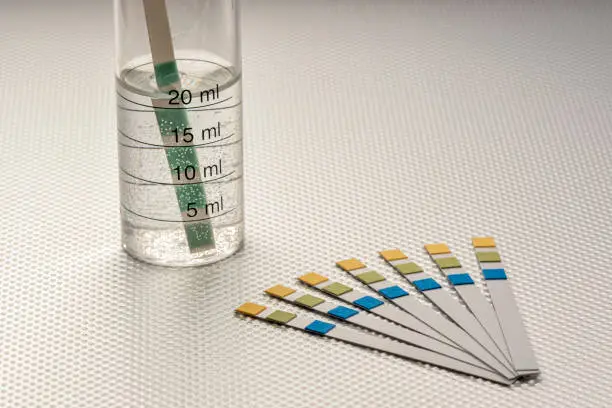
Basic home test kits may provide limited screening, but they often do not offer the same confidence as certified laboratory analysis. Test strips can be difficult to read, may provide broad ranges, and may not include the contaminants that matter most. They can be useful for simple curiosity, but they may not be enough for serious concerns involving lead, bacteria, PFAS, arsenic, or potability.
Certified analysis provides stronger controls, more precise methods, and clearer reporting. A laboratory report can show what was tested, where the sample came from, when it was collected, and what the results were. This documentation is useful for homeowners, buyers, landlords, property managers, and families who want a reliable record.
Professional interpretation is also important. A report full of numbers may be confusing without context. Homeowners should understand what was detected, what was not detected, whether a result deserves attention, and whether additional testing may be useful.
How Results Help Homeowners Make Better Decisions
Water quality testing helps homeowners make better decisions because it replaces guesswork with data. If results show no major concerns in the tested sample, the homeowner may gain peace of mind. If results identify a concern, the homeowner can respond more intelligently.
Testing can help guide filter decisions. Not every filter addresses every contaminant. A filter that improves taste may not reduce lead. A softener may help hardness but may not address bacteria. A carbon filter may help some taste, odor, or chemical concerns but may not be the right answer for every result. Testing first helps homeowners choose follow-up steps based on what is actually present.
NSF provides a searchable resource for certified products and systems, which can help homeowners check whether a product is certified for specific contaminant reduction claims. This is most useful after testing has identified the concern that needs to be addressed.
What Homeowners Should Prepare Before Testing
Before scheduling water quality testing, homeowners should gather practical details about the property. They should know whether the water comes from a public system or private well. They should note the age of the home, any known plumbing updates, recent repairs, water heater work, filter use, and visible symptoms. They should also identify which taps are used most often for drinking, cooking, and brushing teeth.
It is helpful to describe when the concern appears. Does the water look brown first thing in the morning? Does the odor appear only with hot water? Does the taste come from one faucet or every sink? Does staining happen in bathrooms, laundry, or the kitchen? These details help shape a better testing scope.
A strong scope does not have to test for everything. It should test for the right things based on the home and concern.
Final Thoughts
Water quality testing is a practical tool for homeowners who want clear answers about the water they use every day. Whether the concern is discolored water, metallic taste, staining, odor, lead, bacteria, PFAS, arsenic, or general potability, professional testing can turn vague concern into measurable information.
The best testing begins with a thoughtful scope. The right sample locations, target contaminants, certified laboratory methods, and clear interpretation all help make the final report more useful. Instead of reacting to uncertainty, homeowners can make decisions based on actual results.
Homeowners who want to better understand their water can begin with Water Quality Testing or reach out through the Contact Us page to discuss a testing scope that fits their property, water source, and concerns.