
For many homeowners, the dream of a renovation is tied to aesthetics: new granite countertops, a modern kitchen island, or an upgraded bathroom vanity. However, amidst the excitement of choosing fixtures and tile patterns, there is an invisible element that often goes overlooked until the project is finished and the water is turned back on: your plumbing’s relationship with your water supply.
Renovating your home involves more than just swapping out a faucet. It involves breaking into existing pipe networks, introducing new materials, and potentially altering the flow and pressure of your home’s water system. Viewing water quality through the lens of a renovation project—rather than just a periodic household check—is a much more effective way to ensure that your beautiful new space is also a healthy one.
The “Disturbance” Factor
When contractors cut into old plumbing, it is rarely a clean break. Inside your walls, decades of sediment, rust, and mineral scale may have accumulated along the inner walls of your pipes. Even if the pipes themselves are in good condition, the physical vibration and pressure changes involved in installing new plumbing can dislodge these particles.
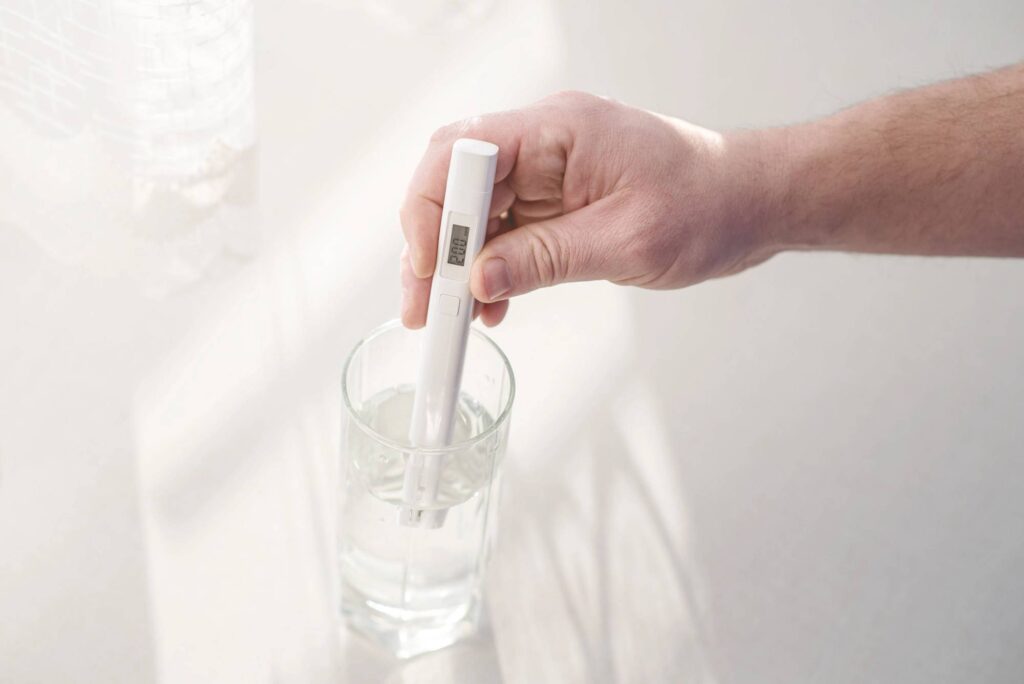
This is why, in the weeks following a renovation, some homeowners notice a change in water clarity, color, or taste. While some of this is temporary, it serves as a wake-up call that your water quality has been disrupted. Rather than assuming the water will just “clear up on its own,” a more proactive approach is to view this transition as the perfect time for water quality testing. By establishing a new baseline after the work is complete, you ensure that no contaminants were introduced during the construction process.
Material Compatibility and Water Chemistry
A major renovation often introduces new materials into your plumbing system. You might be connecting new PEX piping to old copper lines, or installing a high-end stainless steel fixture that reacts differently than the brass ones you previously had.
Different metals have different electrochemical properties. When you mix them, you can inadvertently create a “galvanic cell,” where one metal begins to corrode faster because it is in contact with another in the presence of water. This is a common cause of water quality problems that don’t appear until months or even years after the renovation is complete.
Before finalizing your materials list, it is worth considering how your local water chemistry will interact with those specific components. Is your water naturally acidic? If so, installing specific alloys might lead to premature pitting or leaching. Knowing your water’s profile allows you to make informed decisions that protect your investment from the inside out.
The Hidden Impact of Fixtures
The modern kitchen or bath is often outfitted with “smart” faucets, high-efficiency showerheads, and integrated filtration systems. While these are designed to conserve water, they also change how water interacts with your home.
High-efficiency fixtures often restrict flow, which can sometimes lead to water “stagnating” in specific segments of pipe for longer periods. Water that sits longer in contact with plumbing materials has more time to pick up trace metals. If you have recently upgraded your home’s fixtures, you might be surprised to find that your water quality signature has changed. Consulting with testing services during or immediately after the installation of new fixtures is a smart move to ensure that your new hardware is performing as expected without negatively impacting your water quality.
Mapping Your Home’s New Reality
Every home is different, and the way plumbing is configured in one location can vary wildly from another. A renovation provides a unique “open-wall” opportunity to understand your plumbing layout. If you have the walls exposed, it is the ideal time to document exactly what materials are in use.
Understanding your infrastructure is a critical component of long-term water safety. If you know you have a hybrid system of old and new pipes, you can tailor your filtration or treatment strategy to account for that complexity. If you are unsure about what lies behind your walls, consider how the age and composition of your plumbing—which can be identified through testing methods—influence the results you receive.
A Post-Renovation Checklist
To ensure your home improvement project doesn’t come with the hidden cost of degraded water quality, keep these steps in mind:
- Flush the System: After any plumbing work, ensure the contractor has thoroughly flushed the lines. Even then, run all your taps for an extended period to clear any construction debris.
- Test After Completion: Wait until the dust has settled and the system has been in regular use for at least a week, then schedule a professional water test.
- Check for Leaks: Changes in water pressure or flow after a renovation can sometimes cause small, slow leaks at connections that were previously stable.
- Monitor Your Fixtures: Watch for any signs of staining or residue on your brand-new hardware. If you see spots or discoloration, address the chemistry behind it immediately before it causes long-term damage.
Investing in Your Home’s Future
Renovations are an investment in your home’s value, comfort, and functionality. By elevating your perspective on water quality, you are protecting that investment. Water is the lifeblood of your home, running through the very structures you’ve just spent time and money upgrading.
You wouldn’t put cheap, low-grade paint on a high-end renovation, so why ignore the quality of the water running through it? Taking a moment to verify your water quality ensures that every aspect of your home, including the most fundamental one, is held to the highest standard.
If you are currently planning a renovation or have just finished one and want to ensure your water quality is top-tier, contact us. We can provide the testing and guidance necessary to keep your home’s water as pristine as your new interior.
How has your recent home renovation impacted your water usage or the way you think about your plumbing system?