
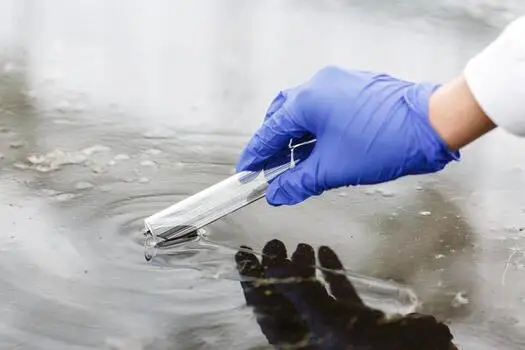
Metals often get most of the attention in water quality conversations. Lead, copper, iron, arsenic, and other metals are important because they can affect drinking water, plumbing conditions, staining, taste, and household confidence. But metals are only one part of a serious water quality program. Bacteria testing still belongs at the center of meaningful water analysis because it can reveal conditions that a metals-only panel will never explain.
Water can look clear, taste normal, and still require microbiological testing if the property, water source, plumbing history, or usage pattern creates a reason for concern. Coliform, E. coli, and HPC can provide important information about microbial conditions, especially in older buildings, private wells, vacant spaces, underused fixtures, and plumbing systems with irregular water movement.
Professional testing through Water Quality Testing can help homeowners, families, landlords, property managers, and building owners include bacteria analysis as part of a stronger water quality framework instead of treating it as a minor add-on.
Why Bacteria Testing Matters
Bacteria testing answers questions that metals testing cannot. A metals panel may identify lead, copper, iron, manganese, arsenic, or other inorganic substances, but it cannot show whether bacterial indicators are present in the water sample. That distinction matters because a property can have acceptable metals results and still have microbiological concerns.
Bacteria can become relevant for several reasons. Private wells may be affected by groundwater conditions, surface runoff, flooding, septic systems, damaged well components, or nearby land use. Buildings with underused plumbing may have sections where water sits for long periods. Older plumbing systems may include dead-end lines, low-flow branches, aging fixtures, storage tanks, or areas with inconsistent use.
A serious water quality program should consider both chemical and microbiological concerns. If the goal is to understand the water people actually drink and use every day, bacteria testing should not be ignored.
The Testing Services page can help property owners understand how bacteria testing may fit beside metals, potability indicators, PFAS, and other water quality concerns.
Coliform Testing Provides an Important Warning Signal
Total coliform is one of the most common bacteria tests used in drinking water analysis. Coliform bacteria are often used as indicators because they can suggest that water may have been exposed to environmental contamination or that conditions exist where bacteria can enter or persist.
A total coliform result does not always mean the water contains a dangerous pathogen, but it is still important. It tells the homeowner or property manager that the sample deserves attention. In a private well, total coliform may suggest possible issues with the well, surrounding environment, or sample location. In a building, it may raise questions about fixture conditions, stagnation, or plumbing system behavior.
This is why coliform testing is often part of potability analysis. It helps answer a basic question: does the water show bacterial indicators that should be reviewed before people rely on it for drinking?
The Centers for Disease Control and Prevention recommends regular private well testing and using a certified laboratory. Its guidance on testing well water is useful for understanding why coliform testing is an important part of household and well water review.
E. coli Testing Carries Special Importance
E. coli testing is different from total coliform testing because it is more specific. While total coliform may indicate environmental bacterial presence, E. coli can suggest fecal contamination. That makes E. coli one of the most important microbiological indicators in drinking water testing.
If E. coli is detected in a drinking water sample, the result should be taken seriously. It may point toward contamination from sewage, septic systems, animal waste, runoff, flooding, or other sources depending on the property and water source. This is especially important for private wells, rural homes, properties near septic systems, and buildings affected by water intrusion.
E. coli cannot be reliably identified by looking at the water. A glass may appear clear and still require testing if the situation calls for it. That is why certified laboratory analysis is essential. Visual inspection cannot replace microbiological testing.
The U.S. Environmental Protection Agency includes E. coli among important microbial indicators in drinking water regulation. Its information on national primary drinking water regulations helps explain why microbial contaminants are treated as a core water quality issue, not a minor detail.
HPC Can Reveal General Microbial Activity
HPC stands for heterotrophic plate count. It is not the same as testing for total coliform or E. coli. Instead, HPC measures general heterotrophic bacteria that can grow under the test conditions. While HPC does not identify one specific pathogen, it can provide useful information about general microbial activity in a water system.
HPC can be especially useful in buildings with unusual water use patterns. Underused fixtures, long plumbing runs, vacant units, storage tanks, filter housings, and low-flow areas may show different microbial conditions than frequently used taps. HPC can help identify whether general bacterial activity is elevated in certain parts of a system.
For property managers and building owners, HPC may add context when evaluating stagnation, filter performance, system turnover, or areas where water sits too long. It should not replace coliform or E. coli testing, but it can strengthen the overall microbiological picture.
This is one reason bacteria testing should not be treated as a side item. A serious program may need multiple microbiological indicators depending on the property and concern.
Older Buildings Need More Than Metals Testing
Older buildings often receive water testing because of concerns about lead, copper, iron, or corrosion. Those concerns are valid, but older buildings may also have microbiological conditions worth evaluating. A building’s age can affect more than metal release. It can also affect how water moves, where it stagnates, and whether certain plumbing areas are underused.
Older properties may have dead-end lines, abandoned branches, rarely used fixtures, older water heaters, storage components, aging valves, and sections that have been modified over time. Renovations may update visible areas while leaving older plumbing behind walls. Multifamily buildings may have some units occupied and others vacant. Commercial properties may have restrooms or utility sinks that are rarely used.
A metals-only panel cannot answer microbiological questions in these settings. It may show useful information about lead or copper, but it will not reveal coliform, E. coli, or HPC conditions. The Water Quality Problems page can help connect building symptoms such as odor, cloudy water, unusual taste, or repeated complaints with broader testing needs.
Irregularly Used Plumbing Systems Deserve Attention
Water quality can change when plumbing is not used regularly. In homes, this may happen in guest bathrooms, basement sinks, seasonal properties, vacation homes, or houses that were vacant before being sold. In commercial buildings, it may happen in unused tenant spaces, storage areas, school buildings during breaks, offices with hybrid schedules, or restrooms with low traffic.
When water sits in plumbing, disinfectant residual may decline, sediment may settle, and microbial activity may become more relevant. This does not mean every low-use fixture has a serious issue, but it does mean irregular use should be part of the testing conversation.
A strong water quality program may compare frequently used fixtures with underused fixtures. It may include bacteria testing where stagnation is likely. It may also consider hot water, cold water, filter housings, or storage-related areas depending on the system.
The American Water Works Association provides public resources on water quality, including information that helps explain why water quality can be influenced by distribution and building conditions before reaching the final tap.
Private Wells Require Regular Bacteria Testing
Private wells deserve special attention because they are usually not monitored by a public utility in the same way public water systems are. In many cases, the homeowner is responsible for testing and understanding well water quality. Bacteria testing is one of the most important parts of that responsibility.
A private well can be affected by flooding, surface runoff, damaged well caps, nearby septic systems, agricultural activity, animal waste, or changes in groundwater conditions. Total coliform and E. coli testing can help identify whether bacterial indicators are present in the sampled water.
A well testing program may also include nitrate, nitrite, arsenic, pH, hardness, iron, manganese, and other local concerns. But bacteria testing should usually be a core part of the discussion because microbial indicators directly affect drinking water confidence.
For families using private wells, bacteria testing should not be postponed until water looks or smells unusual. Clear water can still need testing.
Bacteria Testing Supports Potability Questions
When people ask whether water is potable, they are asking whether it is suitable for drinking based on selected indicators. Bacteria testing is often central to that question. A potability panel may include total coliform, E. coli, nitrate, nitrite, pH, turbidity, total dissolved solids, and other parameters depending on the property and local requirements.
A metals-only panel cannot answer whether water is potable. It may provide useful information about lead, copper, iron, or arsenic, but it does not show whether bacterial indicators are present. This is why bacteria testing should be included when the concern is drinking-water suitability.
The Testing Methods page can help explain why sample collection, laboratory handling, and test selection all matter when evaluating drinking water quality.
Proper Sample Collection Is Critical
Bacteria testing is highly dependent on proper sample collection. The sample usually needs to be collected in a sterile container, and the person collecting it must avoid touching the inside of the bottle or cap. The sample may need to be delivered to the laboratory quickly and kept under the right conditions.
A poorly collected bacteria sample can create confusion. It may show contamination caused by collection error, or it may fail to represent the water accurately because of delays or mishandling. This is why professional testing is valuable when microbiological analysis is part of the scope.
Certified laboratory testing provides stronger procedures, clearer reporting, and better confidence. It also helps document what was tested, where the sample was collected, and what the result showed. For homeowners, landlords, and property managers, that record is much more useful than a casual screen.
Bacteria Testing and Household Health Concerns
Families often ask about bacteria testing when children, elderly residents, or sensitive individuals use the water daily. This is reasonable because water is used for drinking, cooking, brushing teeth, preparing food, and washing produce. Parents may want stronger answers than appearance alone can provide.
Bacteria testing can be especially useful after flooding, plumbing repairs, long vacancy, private well changes, or unusual odors. It may also be considered when water is used in kitchens, childcare settings, healthcare-adjacent spaces, or rental properties where multiple people depend on the same water system.
The goal is not to create alarm. The goal is to provide clear information. If bacteria indicators are not detected, the result may provide reassurance for the sampled water. If indicators are detected, the report can guide more informed follow-up.
The FAQ page can help families and property owners understand common questions about water testing and what different results may mean.
Bacteria Testing Belongs Beside Metals, Not Behind Them
A strong water quality program does not force property owners to choose between metals and bacteria. Both categories can matter. Lead, copper, iron, arsenic, PFAS, bacteria, potability markers, and corrosion indicators all answer different questions.
Metals testing helps evaluate plumbing materials, corrosion, staining, taste, and certain health-related concerns. Bacteria testing helps evaluate microbial indicators, potability, well conditions, stagnation concerns, and underused plumbing. Together, they provide a much stronger view of water quality than either category alone.
This is especially important in older buildings, private wells, commercial properties, and homes with broad concerns. A testing program that includes only metals may look serious on paper but still miss a major part of the water quality story.
Final Thoughts
Bacteria testing still belongs in every serious water quality program because microbiological analysis reveals conditions that metals testing cannot explain. Total coliform, E. coli, and HPC can provide important insight into water safety, potability, stagnation, private well conditions, and irregularly used plumbing systems.
Metals may get more public attention, but bacteria testing should be treated as a core service, not a side item. A strong testing program considers the water source, property age, plumbing history, fixture use, sample timing, and daily water use before choosing the final scope.
Homeowners, families, landlords, and building owners who want a more complete water quality picture can begin with Water Quality Testing or reach out through the Contact Us page to discuss a testing plan that includes microbiological analysis where it belongs.