
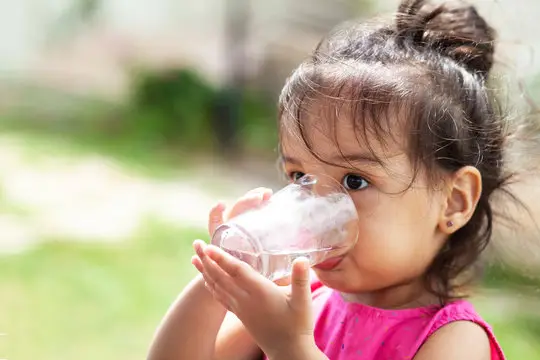
Parents usually want clear answers about the water their children use every day. They do not want vague reassurance, confusing technical language, or a quick opinion based only on how the water looks. They want to know whether the water used for drinking, cooking, brushing teeth, preparing bottles, washing fruit, and filling school cups has been tested in a meaningful way.
Water quality becomes a different kind of concern when children are involved. A small change in taste, odor, color, or staining can feel more serious when a child is drinking the water daily. Parents may also hear about lead, bacteria, PFAS, copper, arsenic, nitrates, or other contaminants and begin wondering whether those concerns apply to their own home. The difficulty is that many water quality issues cannot be identified by sight, smell, or taste alone.
Professional testing through Water Quality Testing can help parents move from uncertainty to certified data. A well-planned testing program can identify which contaminants matter, which fixtures should be sampled, and how the results may relate to daily household use.
Why Parents Think Differently About Water Quality
For parents, water quality is not only a home maintenance issue. It is part of daily care. Children may drink tap water throughout the day, use it while brushing their teeth, eat food cooked in it, and consume drinks prepared with it. Babies and young children may also be more sensitive to certain water concerns because of their developing bodies and daily exposure patterns.
This is why parents often want more than a basic answer. They want to know what was tested, where the sample came from, whether the testing was done by a proper laboratory, and what the results mean in practical terms. A general statement that the water “looks fine” does not answer questions about lead, bacteria, PFAS, copper, arsenic, or corrosion.
Some parents begin testing after noticing a change. The water may look cloudy, smell unusual, taste metallic, or leave stains. Others test after moving into an older home, having a baby, replacing plumbing, buying a home, or hearing about local water concerns. These are all reasonable reasons to take a closer look.
The Testing Services page can help parents understand how different testing options can be matched to real household concerns instead of relying on one generic water test.
Lead Is a Major Concern for Children
Lead is one of the most important drinking water concerns for families with children. It can enter water through lead service lines, older solder, brass fixtures, valves, fittings, or other plumbing materials that contain lead. The difficult part is that lead usually does not change the color, smell, or taste of water. Clear water can still require testing.
Parents should take lead seriously because children are more vulnerable to lead exposure than adults. The U.S. Environmental Protection Agency explains that lead can enter drinking water when plumbing materials containing lead corrode, and it provides public guidance on lead in drinking water.
A strong lead testing plan should consider sample location and timing. The kitchen tap may matter most if children drink from it, but a bathroom faucet may also matter if children use it for brushing teeth. In some cases, first-draw and flushed samples may provide different information because water that sits in pipes can interact with plumbing materials.
Lead results are also more useful when reviewed beside copper, pH, hardness, alkalinity, and other corrosion-related indicators. This gives parents a better understanding of whether the concern may be tied to one fixture, one branch line, or broader plumbing conditions.
Copper and Corrosion Should Not Be Ignored
Copper is another plumbing-related metal parents may need to understand. It can come from copper pipes and fittings when water chemistry encourages corrosion. Sometimes copper concerns appear with blue-green staining, metallic taste, or plumbing changes, but testing is needed to know what is actually present.
Copper is often reviewed with lead because both can be affected by corrosion. Water chemistry indicators such as pH, hardness, alkalinity, and total dissolved solids can help explain how water may be interacting with plumbing materials. If a home has older plumbing, recent repairs, or visible staining, these indicators may be useful.
Parents do not need to interpret every number themselves. The value of professional testing is that the report can be explained in plain language. Instead of only seeing a list of results, parents can understand what was detected, what was not detected, and whether additional testing may be useful.
The Water Quality Problems page can help families connect signs like metallic taste, staining, cloudy water, discoloration, or odor with possible testing categories.
Bacteria Testing and Children’s Daily Use
Bacteria testing is important when parents want to understand whether water may have microbial indicators. This is especially relevant for homes using private wells, but it can also matter after flooding, plumbing repairs, long vacancy, low-use fixtures, or unusual water conditions.
Common bacteria tests may include total coliform and E. coli. Total coliform can indicate that bacteria are present in a way that deserves attention. E. coli is more specific and can suggest fecal contamination. These tests are not something parents can judge by looking at the water. Water may appear clear and still require laboratory testing if the situation calls for it.
Bacteria testing must also be handled carefully. Samples usually need sterile containers, proper collection steps, and fast delivery to the laboratory. A poorly collected sample can create confusion. The Centers for Disease Control and Prevention recommends regular testing for private wells and using a certified laboratory. Its guidance on testing well water is helpful for families who depend on well water.
For parents, bacteria testing may be part of a broader potability review, especially when the water source is private, the property has been vacant, or the family has noticed unusual taste, odor, or appearance.
PFAS Has Become a Common Parent Question
PFAS has become a mainstream water quality concern for many families. Parents may hear about “forever chemicals” in news reports, community discussions, or public water updates and wonder whether PFAS should be included in their home’s testing scope.
PFAS testing is different from simple screening. These chemicals are usually measured at very low levels and require specialized laboratory methods. They cannot be seen, smelled, or tasted. A basic home test strip is not enough when parents want credible PFAS information.
The EPA provides public information on PFAS in drinking water, including background on drinking water standards and public health concerns. For parents, the important point is that PFAS should be tested through appropriate laboratory analysis if it belongs in the household testing plan.
PFAS should also be considered in context. A family in an older home may still need lead and copper testing. A private well may need bacteria and nitrate testing. A home with discoloration may need iron and corrosion indicators. PFAS may be important, but it is only one part of a complete water quality discussion.
Arsenic, Nitrates, and Other Household Concerns
Some contaminants depend heavily on the water source and local conditions. Arsenic may occur naturally in groundwater in certain areas and is often more relevant for private wells. Nitrates may also be important for wells, especially near agricultural activity, septic systems, or certain land-use conditions. Like lead and PFAS, arsenic and nitrates may not create obvious warning signs.
Parents using private wells should be especially proactive because private wells are generally not monitored in the same way public water systems are. A proper well testing scope may include bacteria, nitrate, pH, arsenic, hardness, iron, manganese, and other local indicators.
Homes on public water may have different testing priorities. In those cases, household plumbing, fixtures, service lines, and point-of-use conditions may be more important. The right scope depends on the actual property.
The Testing Methods page can help parents understand why sample collection, laboratory methods, and proper planning matter when choosing a reliable testing program.
Why One Faucet May Not Be Enough
Parents often assume that testing one faucet answers everything. In reality, one sink may not tell the full story. Different fixtures can connect to different branch lines, contain different materials, or have different use patterns. A kitchen faucet may be used constantly, while a guest bathroom may sit unused. A refrigerator dispenser may filter water before it reaches the glass. Hot water may show different conditions from cold water.
This matters because children may use water from more than one location. They may drink from the kitchen tap, brush teeth in the bathroom, and fill bottles from a refrigerator dispenser. If the testing plan includes only one location, parents may miss useful information.
A professional testing company can help choose sample locations based on daily use. If children drink from one tap and brush at another, both may deserve attention. If the concern is lead, sample timing may matter. If the concern is bacteria, sterile collection and laboratory handling are important. If the concern is odor or discoloration, hot and cold water may need to be considered separately.
Certified Testing Helps Parents Make Better Decisions
The biggest benefit of professional water testing is that parents receive data they can actually use. A certified laboratory report can show what was tested, where the sample was collected, when it was collected, and what results were found. This is much stronger than guessing based on water appearance or relying only on a basic home kit.
Results can guide practical decisions. If no major concern is found in the tested sample, parents may gain peace of mind. If lead, bacteria, PFAS, copper, arsenic, or another contaminant is detected, the family can decide what follow-up steps make sense. That may include additional testing, fixture comparison, filter review, plumbing evaluation, or a more detailed water quality discussion.
Testing can also prevent unnecessary spending. Without results, families may buy filters or treatment systems that do not match the actual issue. A filter that improves taste may not reduce lead. A softener may help hardness but not bacteria. NSF offers a searchable database for certified products and systems, which can help families review whether products are certified for specific reduction claims.
How Parents Can Prepare for Water Testing
Parents can prepare by thinking through how water is used in the home. Which faucet is used for drinking? Which faucet is used for cooking? Do children brush their teeth with bathroom tap water? Is the home on public water or a private well? Is the property older? Has there been recent plumbing work? Is there a filter, softener, water heater issue, or visible staining?
Parents should also note symptoms. Does the water taste metallic? Does it smell unusual? Is it cloudy? Does it leave orange, brown, blue-green, or white stains? Does the issue happen only in hot water? Does it happen at one sink or throughout the home?
These details help shape a stronger testing plan. The goal is not to test randomly. The goal is to test the right water, from the right locations, for the right reasons.
The FAQ page can also help parents review common questions before choosing a testing scope.
Final Thoughts
Parents want direct answers about the water their children drink, cook with, and use every day. Lead, bacteria, PFAS, copper, arsenic, nitrates, and corrosion-related conditions deserve more than vague reassurance based on appearance alone. Clear-looking water is not always enough, and visible water problems do not always explain themselves.
Professional water testing gives families a more reliable path. It helps identify the right contaminants, select meaningful sample locations, and interpret results in relation to real household use. That makes the final report more useful for safer, smarter home water decisions.
Parents who want stronger answers can begin with Water Quality Testing or reach out through the Contact Us page to discuss a testing plan designed around their children’s daily exposure concerns.