
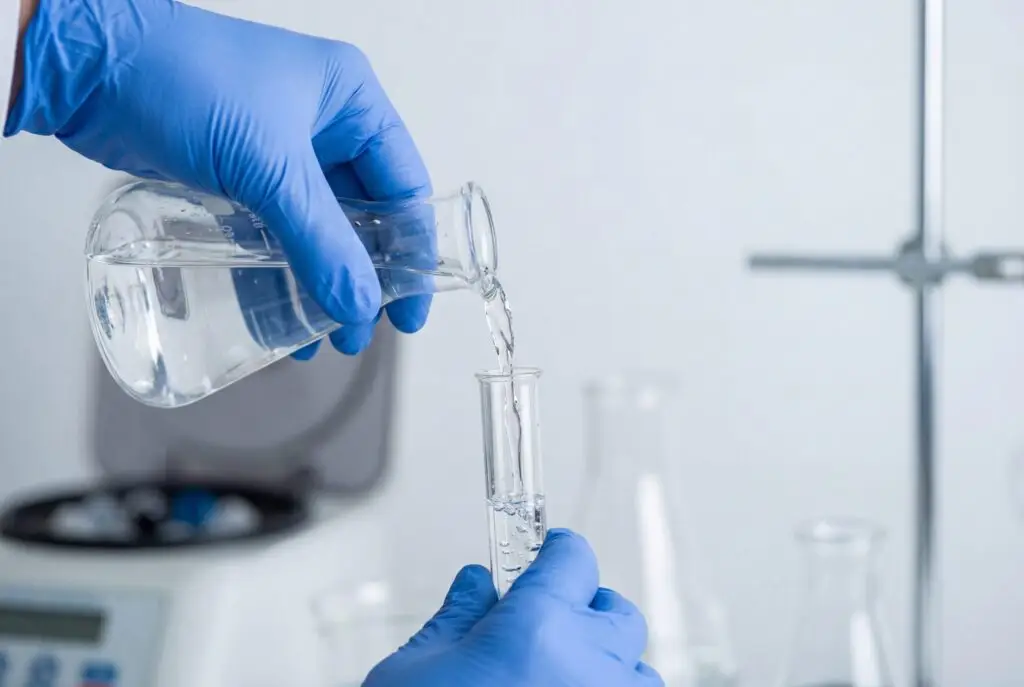
Introduction: Why Water Quality Testing Matters More Than Ever
Water is one of the most essential resources for daily life, yet its quality is often taken for granted. While municipal water systems are designed to provide treated and regulated water, the condition of drinking water can change significantly once it enters a building’s plumbing system. This is where water quality testing becomes critical. Professional water testing reveals what cannot be seen, tasted, or smelled—hidden contaminants that may impact health, safety, and overall water usability.
For homeowners, landlords, and property managers, water testing is often triggered by visible or noticeable issues such as discoloration, unusual taste, or odor. However, many of the most serious water quality concerns, including lead contamination or bacterial presence, are not immediately detectable without laboratory analysis. This makes certified water testing an essential tool for understanding the true condition of drinking water.
Water quality testing provides more than just data—it offers insight into how water interacts with plumbing materials, infrastructure, and environmental factors. By identifying contaminants and evaluating potability, testing helps ensure that water is safe for consumption and suitable for everyday use. Whether for routine monitoring, real estate transactions, or addressing specific concerns, professional water testing plays a key role in protecting public health.
Understanding What “Safe Drinking Water” Really Means
The concept of safe drinking water is often misunderstood. Many people assume that if water looks clear and tastes normal, it is safe to drink. However, water safety is defined by the absence—or acceptable levels—of harmful contaminants, many of which cannot be detected without laboratory testing.
Regulatory agencies establish guidelines for drinking water quality, setting limits for contaminants such as heavy metals, bacteria, and chemical compounds. These guidelines are based on extensive scientific research and are designed to protect human health. However, these standards typically apply to water at the point of distribution, not necessarily at the point of use within individual properties.
Once water enters a building, it can be affected by plumbing materials, corrosion, and system conditions. This means that water considered safe at the municipal level may still pose risks by the time it reaches a tap. Professional water quality testing bridges this gap by evaluating water directly at the source where it is consumed.
Understanding water safety requires more than checking compliance with guidelines—it involves a comprehensive analysis of chemical, physical, and biological factors. Certified laboratories provide this level of detail, allowing property owners to make informed decisions about their water supply.
Common Contaminants Detected Through Water Testing
Water quality testing can reveal a wide range of contaminants, each with different sources and potential impacts. One of the most well-known concerns is lead, which can enter drinking water through aging pipes, lead service lines, or plumbing components. Even low levels of lead exposure can have serious health consequences, particularly for children.
Heavy metals such as copper, iron, and manganese are also commonly detected in water testing. These metals often result from corrosion within plumbing systems and can affect both the safety and aesthetic quality of water. While some may primarily cause staining or taste issues, others can pose health risks if present in elevated concentrations.
Bacterial contamination is another critical area of concern. Tests for total coliform bacteria, E. coli, and heterotrophic plate count (HPC) provide insight into the microbial condition of water. The presence of these organisms may indicate contamination pathways or system vulnerabilities that require immediate attention.
In addition to traditional contaminants, modern water testing often includes analysis for emerging substances such as PFAS (per- and polyfluoroalkyl substances), which are associated with industrial activity and environmental persistence. Arsenic, nitrates, and volatile organic compounds (VOCs) may also be detected depending on regional conditions.
By identifying these contaminants, laboratory testing provides a comprehensive understanding of water quality and helps determine whether corrective measures are necessary.
How Plumbing Systems Influence Water Quality
One of the most important insights revealed by water quality testing is the role of plumbing systems in shaping water conditions. While municipal treatment ensures that water meets regulatory standards at the source, the internal plumbing of a building can significantly alter its composition.
Corrosion is a major factor affecting water quality. As pipes age and interact with water chemistry, they can release metals into the water supply. This process is influenced by factors such as pH, temperature, and dissolved oxygen levels. Over time, corrosion can lead to elevated concentrations of metals and visible issues such as discoloration or sediment.
Plumbing materials themselves can also contribute to contamination. Older systems may contain lead-based components or materials that are no longer considered safe. Even newer materials can interact with water under certain conditions, affecting taste, odor, and chemical composition.
Biofilm buildup within pipes can further impact water quality by providing an environment for bacterial growth. This can lead to changes in taste, odor, and microbial activity, even if the source water is initially clean.
Water quality testing helps identify these influences by analyzing water at the point of use. This allows property owners to understand whether issues originate from the municipal supply or within their own plumbing system, enabling targeted solutions.
The Role of Certified Laboratories in Water Testing
Certified laboratories are central to the process of water quality testing, providing the technical expertise and equipment needed to analyze water samples accurately. These laboratories follow strict protocols and use standardized methods to ensure that results are reliable and consistent.
Advanced analytical techniques allow laboratories to detect contaminants at very low concentrations, often measured in parts per million or even parts per billion. This level of sensitivity is essential for identifying substances that may pose health risks even in small amounts.
Quality assurance is a key aspect of laboratory operations. Accredited laboratories perform regular calibration, use control samples, and adhere to established procedures to maintain accuracy. These standards ensure that results can be trusted and used for decision-making.
Laboratory reports provide detailed information about the presence and concentration of contaminants, along with reference values for comparison. However, interpreting these reports often requires expertise, which is where professional water testing consultants play an important role.
What Laboratory Results Reveal About Potability
Potability refers to the suitability of water for drinking, and it is one of the primary outcomes of water quality testing. Laboratory results provide the data needed to determine whether water meets safety standards and is free from harmful contaminants.
These results reveal not only whether contaminants are present but also their concentration levels. This information is critical for assessing risk and determining whether corrective action is required. For example, detecting bacteria such as E. coli would indicate a serious contamination issue, while elevated metal levels may point to corrosion within the plumbing system.
In some cases, results may show that water meets regulatory standards but still has characteristics that affect its usability, such as taste or odor. While these issues may not pose direct health risks, they can still impact quality of life and indicate underlying system conditions.
Professional consultants analyze laboratory findings in detail, helping property owners understand both the immediate and long-term implications. This ensures that water testing results are not only informative but also actionable.
Why Professional Water Testing Is More Reliable Than DIY Kits
While home testing kits are widely available, they often lack the accuracy and reliability of professional water testing services. DIY kits may provide basic indicators of water quality, but they cannot match the precision and comprehensiveness of laboratory analysis.
Professional testing involves certified sampling procedures, advanced laboratory methods, and expert interpretation. This ensures that results are accurate, consistent, and tailored to the specific conditions of a property. In contrast, home kits are more susceptible to user error and may not detect contaminants at low concentrations.
Another limitation of DIY testing is the lack of detailed reporting. Professional laboratory reports provide comprehensive data and reference standards, allowing for a deeper understanding of water quality. This level of detail is essential for identifying complex issues and determining appropriate solutions.
For property owners seeking reliable information about their water supply, professional testing remains the most effective option.
When Should You Test Your Drinking Water?
Water quality testing should be performed whenever there are signs of potential issues, such as discoloration, unusual taste, or odor. However, testing is also recommended in situations where risks may not be immediately visible.
Homeowners should consider testing their water when purchasing a new property, especially if the building is older or has unknown plumbing conditions. Landlords and property managers may conduct regular testing to ensure tenant safety and maintain compliance with standards.
Testing is also important after plumbing repairs, renovations, or changes in water supply conditions. Environmental factors, such as flooding or nearby construction, may also impact water quality and warrant testing.
Routine testing provides ongoing assurance that water remains safe over time, helping to identify changes before they become serious problems.
Conclusion: The Value of Knowing What’s in Your Water
Water quality testing reveals critical information about the safety, composition, and reliability of drinking water. By identifying contaminants, evaluating potability, and uncovering the influence of plumbing systems, testing provides a complete picture of water conditions that cannot be obtained through observation alone.
Through certified sampling, accredited laboratory analysis, and professional consultation, water testing services offer a reliable and comprehensive approach to protecting health and ensuring safe water use. Whether addressing specific concerns or conducting routine monitoring, testing empowers property owners to make informed decisions based on accurate data.
In an environment where water quality can be influenced by a wide range of factors, understanding what is in your water is not just important—it is essential.